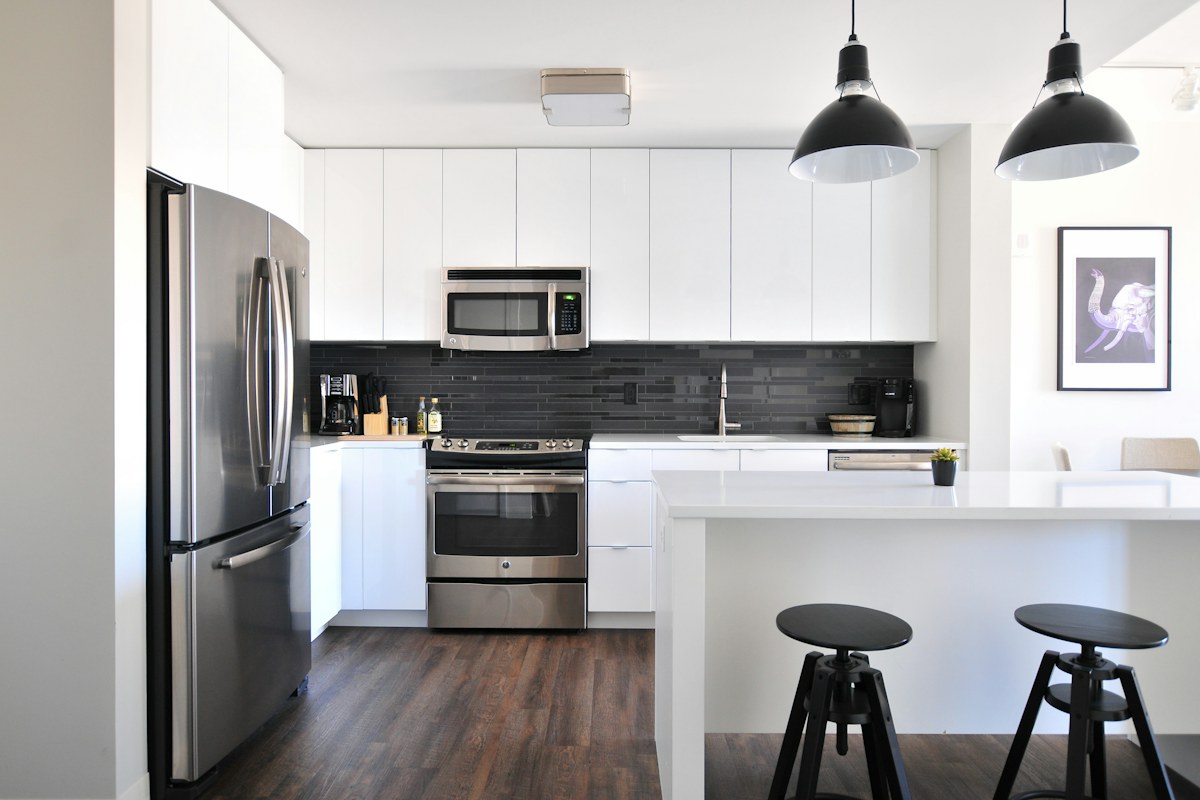
A refrigerator can fit the available width while still be awkward to use if the door opens against a wall, chair or circulation route. Before choosing a replacement, examine the everyday action of opening it and reaching the contents. The measurements that establish a physical fit are only part of the decision. You also need an arrangement that follows the appliance's installation guidance and works for the people using the kitchen, without asking them to move furniture each time they want something inside.
Start with the current inconvenience
Describe what does not work about the existing arrangement. Perhaps the door cannot move as intended, an internal drawer is difficult to remove or another person cannot pass while you are using the appliance. Keep those issues separate from preferences about appearance or capacity. A larger refrigerator may repeat the same access problem in a more prominent form. The replacement should address a named practical need, not simply occupy the space with a newer version of the same compromise.
Read the exact model's guidance
Use the manufacturer's current dimensions and installation instructions for the model under consideration. Check the space required for ventilation, connections, door movement and any other stated conditions. Do not borrow measurements from a similar-looking appliance or rely on the width shown in a shop label alone. If the instructions are unclear for your layout, ask the manufacturer or a suitably qualified installer. The required arrangement is specific to the appliance and setting, so a general decorating rule cannot establish that it will work.
Include the useful opening position
Consider what the door must allow you to do, including reaching shelves and removing components through the intended process. A door that opens slightly may not provide the access needed for normal cleaning or use. Check those details in the relevant product information rather than guessing from a closed photograph. Where a showroom demonstration is available, ask to see the appropriate operation. Avoid forcing a display or attempting to remove parts without permission. You are gathering information, not carrying out an improvised test of the equipment.
Assess the surrounding kitchen
Look at nearby walls, counters, cupboards and freestanding furniture. Include handles and projections that can be easy to overlook when measuring a flat gap. Think about the person standing at the open refrigerator and the route used by others. A stool that normally sits nearby may need a different place, but only if that change is realistic for everyday life. Do not base a purchase on a kitchen permanently cleared in a way the household will not maintain once the appliance arrives.
Check delivery as a separate route
Follow the path from the delivery point to the intended position, using the seller's actual delivery arrangements and the manufacturer's information. Doorways, turns and stairs may matter even when the final kitchen space is suitable. Ask the provider what is included and what conditions must be met. Do not assume doors or appliance parts can be removed as a simple solution without confirming the appropriate process. A clear delivery assessment should happen before committing, while alternative models or arrangements remain available.
Discuss how the household uses the door
Different people may approach the appliance from different parts of the kitchen or use different shelves. Ask what feels convenient and what creates difficulty. If a particular access need matters, include it in the product discussion rather than deciding from a photograph on someone else's behalf. The aim is an arrangement that supports actual use, not a theoretical ideal. A door style or orientation that suits one kitchen routine may be less helpful for another, even when both appliances offer similar headline capacity.
Keep the purchase terms with the measurements
Record the exact model, relevant installation details and the answers obtained from the provider. Check the current arrangements for delivery, installation and returns before buying. Avoid treating a general reassurance as confirmation of your specific layout. If an essential detail remains unresolved, settle it before placing the order. The practical cost of an unsuitable appliance includes disruption as well as money, so a short pause to verify access can be more useful than rushing to secure an offer.
Review the installed everyday route
Once the appliance is properly installed through the appropriate process, use it as intended and keep the required surrounding space available. Do not fill a necessary clearance with storage because the gap appears spare. If access differs from what was agreed, contact the relevant provider rather than modifying the installation yourself. The successful choice lets the door, interior and kitchen route work together. You should be able to use the appliance without repeatedly noticing that it fits the room only when it stays closed.
Continue the practical edit
Related reading: A Small-Space Workstation That Packs Away, A Temporary Working Row for Kitchen Bottles.
Editorial & photography notes
Practical editorial guidance for ordinary situations. This article does not claim product testing or report current offers. Follow the relevant maker’s instructions for the items you use.
Illustrative stock photograph by Naomi Hébert: photo source. This scene does not identify our author or establish a product test.