Empty the current bag before opening a shop
An everyday bag can look too small or too large until you examine what it actually carries. Empty yours onto a table and divide the contents into daily needs, occasional needs, and things that have simply accumulated. Keep the essentials visible: keys, wallet, phone, any medication or personal items you require, and the objects specific to your day. A laptop or water bottle changes the bag's job much more than another lipstick does.
Now picture the busiest part of the day. Do you need to find a transit card quickly, carry groceries in the other hand, or set the bag under a desk? These situations reveal what access and shape matter. Buying a larger bag before removing unused contents can create more space for clutter without improving the routine. A smaller pouch inside the existing bag may be the entire solution.
Measure the objects that cannot bend
If you carry a laptop, notebook, or other rigid item, measure it with its usual protective case. Compare that with the bag's listed dimensions, opening, and any compartment dimensions the maker provides. Exterior size is not identical to usable interior space. Curved corners, a narrow opening, or a divided interior can reduce what fits even when the overall measurements look generous.
Coach's official tote and carryall collection is a useful place to compare shapes, but individual listings need their own dimension and closure checks. Do not infer laptop compatibility from a styled photograph. If the listing names a particular device size, compare your device and case rather than assuming all devices with that screen description occupy the same space. Leave room for the everyday objects that travel with it; a bag that holds only the laptop may not do the whole job.
Check carrying position with a real load
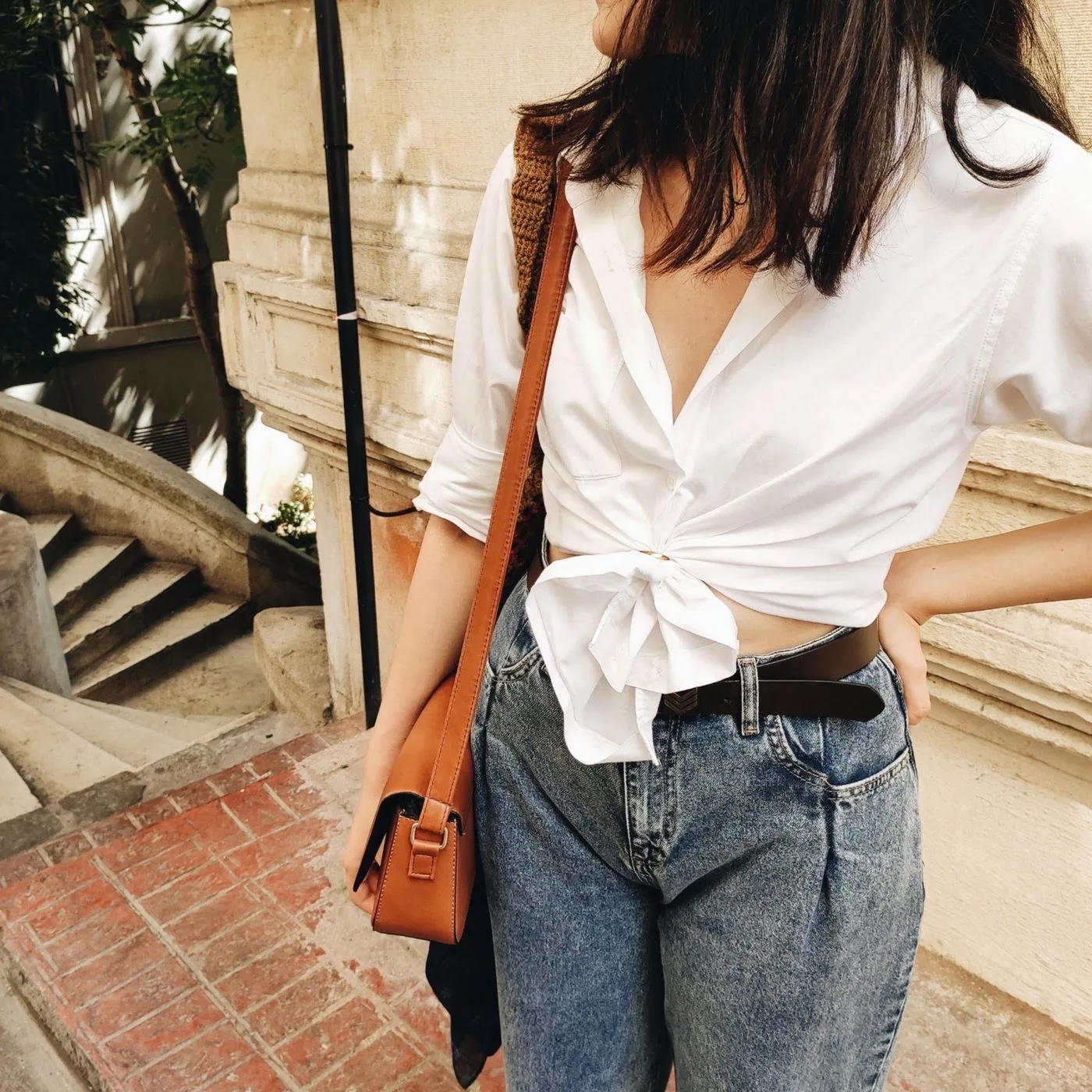
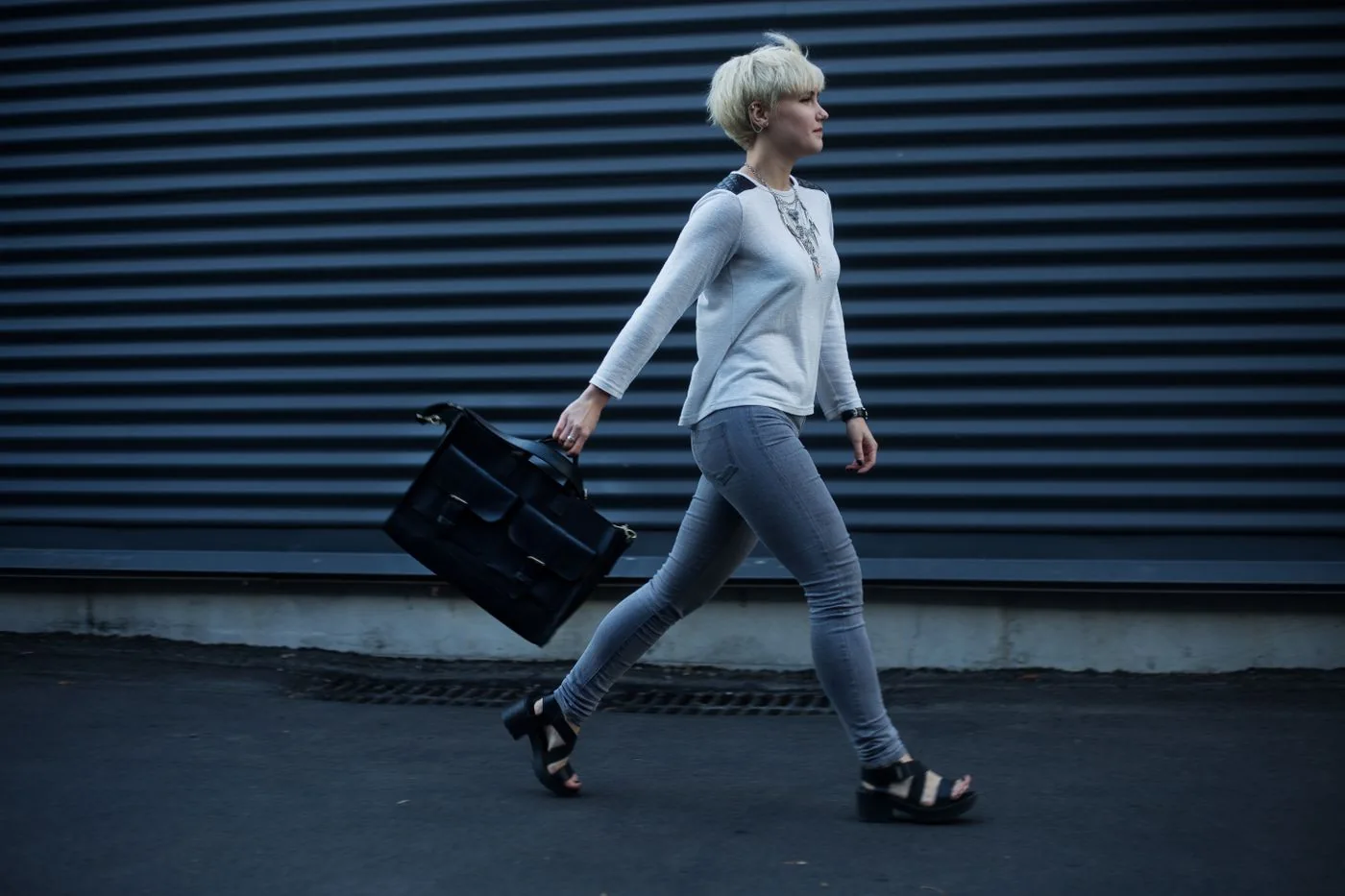
A strap can feel comfortable on an empty bag and less comfortable once it is filled. Test the bag with a realistic load if the shop permits, and keep the contents safe and within any fitting rules. Notice whether the strap stays where you want it, whether the bag bumps your hip, and whether you can bend or sit comfortably. A handheld tote may suit a short route and become awkward during a longer walk.
Consider the coat you usually wear. A shoulder strap that works over a thin top may not sit comfortably over a winter layer. Adjustable or different carrying options can be useful, but only if the specific bag provides them and you like using them. Do not buy a bag with several straps simply because more options sound better. Test the arrangement that will carry most of the actual load.
Make closure and access part of the decision
An open tote offers easy access but may not suit every journey or item. A zip, flap, or other closure changes how quickly you can reach things and how secure the opening feels. That does not establish waterproofing. If your commute includes rain, read the maker's material and care guidance and provide suitable protection for sensitive contents. Ordinary fashion-bag closures should not be treated as a weather specification.
Check how the inside is organized. Several pockets can help, but a single compartment with an existing pouch may be easier for you. The question is whether you can retrieve frequently used items without emptying the bag in a public place. Try your keys and wallet arrangement before buying extra organizers. Each organizer also takes space and adds weight, so a system should earn its place rather than merely look tidy on the table.
Buy the capacity you use, not an imagined life
Name the most frequent day the new bag will serve. A large tote may be right for commuting with a device; a smaller bag may be enough for weekends. One bag does not have to satisfy both perfectly, and you may already own a suitable second option. Avoid buying a very large bag to cover one rare journey when a reusable tote or another existing item can handle it.
Check current price, materials, and return conditions on the official site. Look at care requirements and whether you have a suitable storage place. A light-colored or delicate material may require attention you do not want to give an everyday item. The successful bag is the one that comfortably carries a realistic load and keeps essentials accessible. Its usefulness should be visible in an ordinary Tuesday, not only in an aspirational photograph with three carefully arranged objects inside.
A five-minute capacity test
Arrange the daily contents in a space matching the listed interior dimensions if available. Add the protective case and pouch you actually use. This is only an approximation, because openings and shape matter, but it can reveal an obviously unsuitable capacity before ordering. Leave practical room to remove items rather than aiming for a perfectly packed maximum load.
Is a larger bag always more versatile? It can carry more, but it may also encourage a heavier load and take more space when seated. If the main need is a small weekend bag, a very large tote can be inconvenient. Conversely, a compact bag that fits only a phone is not an everyday solution if you routinely carry a device and notebook. Choose for the most common day, then use an existing alternative for unusual trips.
Options to consider
Use these retailer collections as starting points. Check the current product description, sizing, delivery and return terms before ordering; availability and prices can change.
Sources & further reading
Official information checked October 8, 2026. This guide presents research-based editorial advice, not a claim of hands-on product testing.
Illustrative stock photograph by EVG Kowalievska: photo source. This scene does not identify our author or establish a product test.