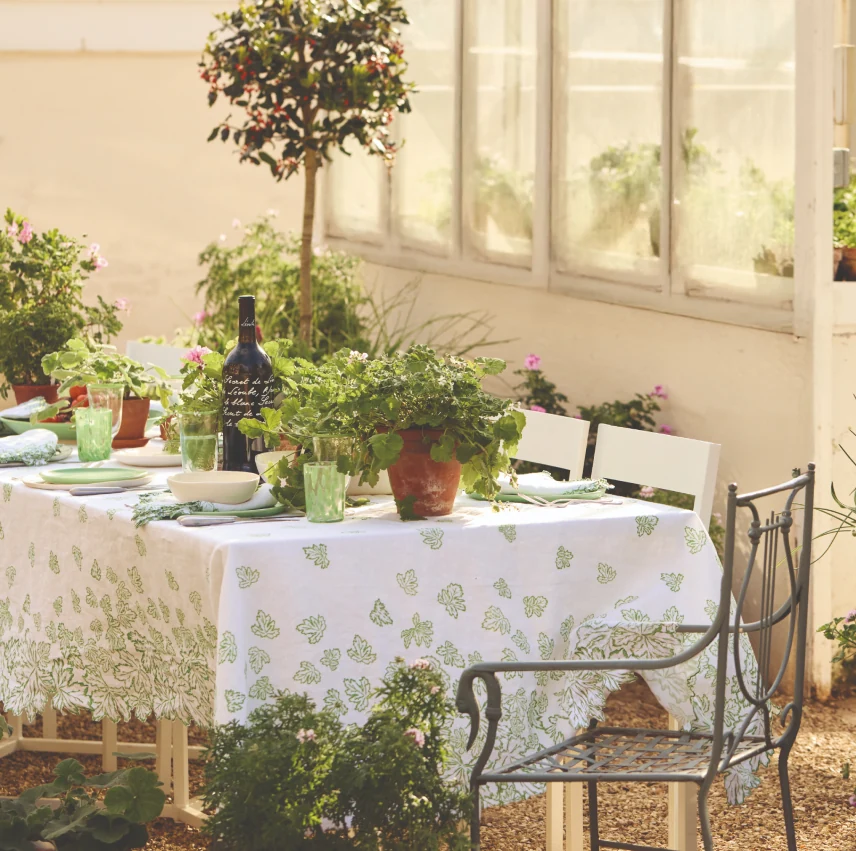
A kitchen task can bring several bottles onto one surface: an ingredient for the meal, a drink being served and another item taken out because it might be needed. Once the task is over, the row can remain as an accidental display. Before buying a tray to contain it, decide which bottles belong to the actual sequence and where each one goes afterward. A temporary working row is useful when it supports a clear task. It becomes less useful when it quietly replaces the storage arrangements and product instructions that should still apply.
Choose the task before choosing the group
Name the immediate job, such as preparing a familiar meal or setting out drinks according to their requirements. Take out only the items genuinely needed for that stage. An ingredient used occasionally does not have to remain beside a frequently used one simply because their containers look similar.
Keep unrelated tasks separate where practical. A bottle awaiting a condition decision, an empty container and a product ready to use may all look like part of the same group from across the room. Giving them different destinations makes the working surface easier to understand before any decorative organizer is added.
Check the storage instructions first
Read the actual product's storage directions, including any instructions that apply after opening. The FDA advises checking labels for storage requirements; a convenient countertop position does not change them. Return items to the locations their instructions require rather than allowing a working arrangement to become a permanent exception.
Keep the product identifiable throughout the task. Do not remove necessary information or transfer contents into another container simply to make the row look consistent. If an item is uncertain or no longer suitable to use, resolve that separately instead of leaving it among ready ingredients because the bottle still fits the arrangement.
Give the opening action enough space
Look at how each bottle is actually used. A screw cap, flip opening and dispenser can require different movements and a suitable place for any removable component. Follow the product's intended use and keep the operation clear of unrelated equipment or crowded edges.
Arrange the bottles so that using one does not require moving several others first. The tallest or most decorative container does not necessarily belong at the front. Choose positions based on the sequence of the task, the visibility you need and the ordinary way you handle the actual items.
Keep a clear landing place for closures
Decide what happens to a removable cap or other component during use. Use an appropriate clean place and keep it associated with the correct bottle. Similar closures should not become a small identification puzzle at the end of the task, especially when several people are helping with a meal.
Avoid balancing closures on unrelated objects or placing them where another task will immediately occupy the same surface. A simple appropriate arrangement can be enough. The purpose is to make the action easy to complete, not to add a collection of small accessories around every bottle that happens to be open.
Consider a tray only if it solves the movement
A suitable tray can help with a group that is intended to be moved together, but it also takes space and needs its own appropriate handling and care. Check the tray's intended use and the requirements of the items before deciding that it improves the sequence. An attractive shallow surface is not automatically a suitable carrier for every tall or heavy bottle.
Compare the task without a tray first. If the items are used individually and returned to different storage locations, a shared carrier may add another step rather than remove one. If a group genuinely moves together, choose appropriate equipment for that specific job and use it as instructed.
Make shared use understandable
If another person will continue the task, leave the arrangement clear enough to explain briefly. Identify what is ready, what has already been used and what needs to return to a particular storage location. This is more helpful than assuming that a neat row communicates the same meaning to everyone.
Keep the sequence modest. The working surface should support the meal or drink service without becoming a complete inventory of the cupboard. A smaller known group can be easier to use and restore than a large collection brought out in anticipation of every possible request.
Return the group before deciding it needs permanent storage
At the end of the task, close and store items as their instructions require, deal appropriately with any spills and restore the working area. Notice which parts of the sequence were awkward. A bottle whose lid was repeatedly hard to place may need a clearer temporary landing area; a rarely used item may simply have been taken out too early.
Must all frequently used bottles stay on the counter? Their storage requirements and the room's use decide that. Does a matching set make the task easier? Only if identity, handling and care remain clear. Should every group have a dedicated tray? Not when the group is temporary or returns to several places. A useful working row has a beginning and an end, leaving the kitchen ready for its next ordinary task.
Continue the practical edit
Related reading: A Coffee Corner for a Small Kitchen, A Weeknight Table You Can Set in Ten Minutes.
Sources & further reading
Official information checked October 15, 2026. This guide presents research-based editorial advice, not a claim of hands-on product testing. Event details and stock information reflect that check date.
Illustrative stock photograph by Svetlana Ponomareva: photo source. This scene does not identify our author or establish a product test.