Start with the ordinary moment
When the dining table is also the office, the end of the workday needs a physical transition. Otherwise cables, notes, and a laptop stay in the room long after the last message. A pack-away setup can make a small home more flexible, provided it does not turn every morning into a lengthy assembly job. Start with the tasks you perform and the equipment those tasks genuinely require.
Make the arrangement work before you shop
Group essential accessories in one portable container and give the laptop an appropriate storage location. Keep current papers together rather than spreading them into several piles. Establish a clear cable route while working, and disconnect or store equipment according to its instructions when you finish. The table should be able to return to its other purpose without balancing devices on a chair. If an external keyboard or screen makes work more practical, plan its daily landing place before purchase. A stable arrangement matters more than an accessory-filled photograph.
Choose by the job, not the complete set
A shared-table office needs an agreement as well as storage. Decide when the table serves work and when it becomes available for meals or another person's activity. Keep the setup modest enough that the transition does not depend on moving a tower of accessories. If the table is used throughout the day by several people, choose a clearly identified landing place for each person's current materials.
Compare a portable box, a shelf location, and a dedicated desk as different levels of commitment. A box can gather small accessories but cannot solve every equipment requirement. A nearby shelf may make setup faster if it is suitable for the contents. A dedicated desk becomes a reasonable option when repeated work needs more stability or room than the shared surface can offer. Make that larger decision from actual use rather than an idealized home-office photograph.
Write a short packing sequence: finish the current task, save work, deal with cables appropriately, put small accessories away, and clear the surface. Follow the equipment's instructions for handling and storage. Do not stack heavy objects on a device or hide operating electronics in an unsuitable box. The aim is a repeatable transition, not merely concealing the setup from view.
When comparing an organizer, measure the equipment and the storage opening, then account for handles and lids. A compact case that is difficult to open in its assigned place will slow the routine. If your current container already works, use the shopping budget for a genuinely missing work requirement instead of buying another version of the same storage.
Measurements and details to check
Measure the working surface, the space available for your legs, and the cupboard that must hold the packed setup. Include plugs and cable bends in the plan. Check whether the chair moves easily and whether screen placement suits your own comfort. This is not individualized ergonomic advice; address persistent discomfort with appropriate professional guidance.
Shopping paths and their tradeoffs
The retailer links below are starting points for comparing appropriate options, rather than a claim that every item in a collection will fit. These are editorial suggestions based on the intended use and the retailers' published categories. We have not performed hands-on product tests for this guide. Stock, specifications, shipping, and prices can change; check the selected product's current information.
MUJI storage organizers: Compare containers sized for the accessories you actually pack away. The tradeoff is straightforward: A general box needs appropriate handling and is not a powered equipment enclosure. If that limitation conflicts with the routine described here, continue comparing rather than accepting it for the look.
IKEA desk lamps: Explore task lighting if the shared table needs a focused light source. Keep this limitation in mind: A lamp also needs a place when the table is cleared. A retailer with several suitable-looking choices still needs to be narrowed by the way your household uses the space.
The Container Store organization range: Browse a portable paper or accessory solution after measuring the cupboard. Before committing, remember: Additional compartments can slow packing if the categories are too detailed. Browse with a short list of requirements so a useful purchase does not become an unplanned bundle.
Care belongs in the purchase decision
Remove crumbs and wipe the table with a method suitable for its finish before setting up equipment. Keep liquids away from electronics. Check that storage does not place heavy objects on top of devices. Follow manufacturers' handling and ventilation instructions; a storage box is not necessarily an appropriate operating enclosure.
What not to overbuy
Avoid replacing the entire table for a work arrangement used only occasionally. Do not buy a stand or drawer unit without confirming stability and dimensions. A rolling cart can be useful, but only if it has an actual parking place. Buying several organizers before sorting the equipment often creates a more complicated pack-away routine.
Try it in an ordinary week
Use the same packing sequence for a week and time it informally with the ordinary clock. Notice which item delays setup or gets left on the table. Change its storage position first. If you still need a purchase, choose one container or accessory that removes that specific problem, then revisit the setup after normal workdays.
Questions worth answering first
Does every home need a dedicated desk? Not necessarily; the tasks and available space decide. Should equipment stay in a basket overnight? Only when suitable for the device and load. What if the table is shared during the day? Agree on work periods and keep the setup easy to move without disturbing another person's essentials.
Options to consider
Use these retailer collections as starting points. Check the current product description, sizing, delivery and return terms before ordering; availability and prices can change.
Sources & further reading
Official information checked October 8, 2026. This guide presents research-based editorial advice, not a claim of hands-on product testing.
- MUJI storage organizers — official retailer
- IKEA desk lamps — official retailer
- The Container Store organization range — official retailer
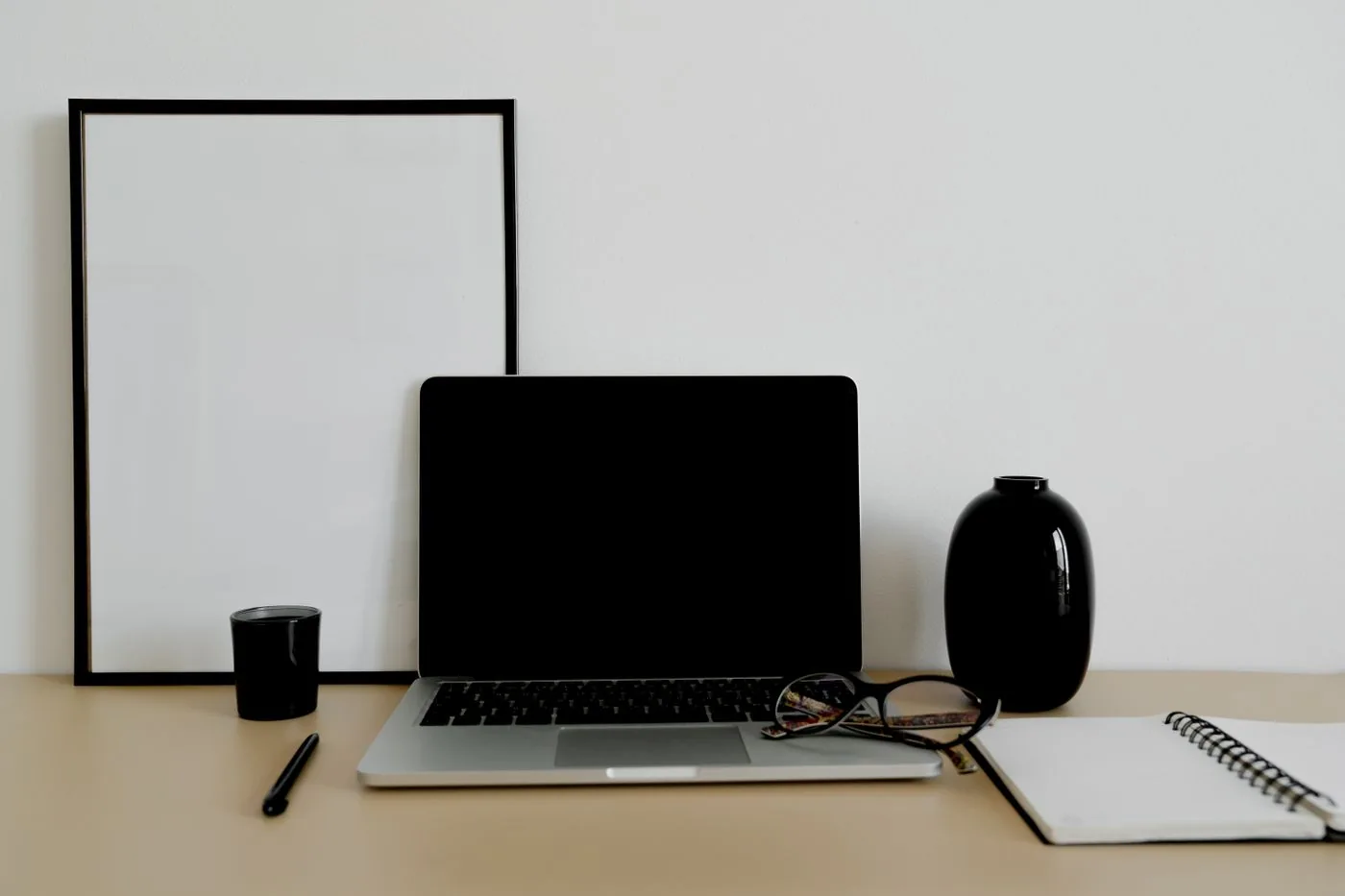
Illustrative stock photograph by alleksana: photo source. This scene does not identify our author or establish a product test.