
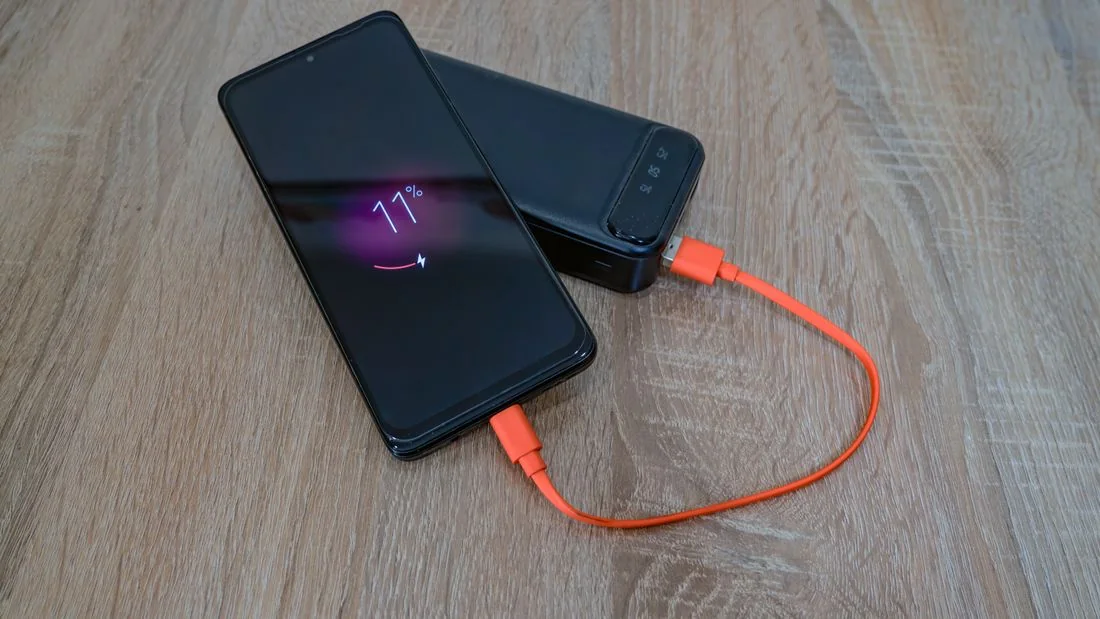
A travel charging kit can accumulate duplicate cables while still missing the component you actually need. The solution is not necessarily a larger organiser or a product sold as universal. Begin with a record of the devices and accessories you already use. Identify the real gaps through the relevant manufacturers' information, rather than through the colour of a connector or a photograph of a neatly packed bag.
List devices through their intended journey
Write down which devices you genuinely plan to take and the role each will serve. A phone used for essential communication belongs in a different planning conversation from an optional device packed out of habit. You may decide to leave an item at home once you consider its charging accessories and ordinary use. Reducing an unnecessary device can be simpler than buying equipment to support it.
Keep the list specific enough to distinguish the actual models involved. Similar names or appearances do not establish identical requirements. You do not need to put serial numbers, account details or other private information on a public packing list. A private model reference and a link or location for the maker's relevant instructions can help you return to reliable information when comparing accessories.
Identify what each component actually does
Separate cables, power supplies, portable batteries and any other accessories in your notes. A cable alone does not describe the complete charging arrangement. Do not infer compatibility, electrical suitability or performance from the fact that a connector appears to fit. Follow the instructions and compatibility information supplied by the relevant manufacturers, including the conditions for using the components together.
If an item cannot be identified, set that question aside for proper checking before relying on it. Avoid turning an unknown accessory into a spare simply because it has lived in the drawer for years. Where you need advice, ask an appropriate provider with the exact product information. This inventory is an organisational method, not a substitute for technical guidance or an instruction to experiment with uncertain combinations.
Distinguish a missing component from a duplicate
Lay out the accessories you have positively identified and associate each with the devices it is intended to support. Mark any unresolved requirement rather than immediately buying another multipack. A second cable may provide a deliberate backup, but it may also repeat a function already covered while leaving a different requirement unanswered. Describe the gap in words before searching for a product.
The desk essentials guide applies a similar approach to everyday accessories. An item earns its place through the task it supports. Keep the travel kit distinct from the home setup if borrowing a component for the trip would leave another person or an ordinary household task without the equipment they expect to find.
Check the actual journey separately
Transport providers and destinations may have requirements that affect what you can carry or use. Check the current official information for your particular itinerary and products before departure. Do not treat an old packing photograph, another traveller's experience or a general product label as confirmation of the rules for your journey. If a question remains unresolved, ask the relevant provider directly.
Keep the confirmed information with the trip plan rather than copying it into a permanent rule for every future holiday. It is useful to record where and when you checked a requirement, but it is not useful to present a time-sensitive answer as timeless. This article does not specify allowances, electrical ratings or destination requirements because those decisions need the actual equipment and current official guidance.
Choose a container after the kit is clear
Once the contents are established, consider an appropriate way to keep them together while following the products' care, storage and transport instructions. An organiser should accommodate the items you have chosen rather than dictate additional purchases to fill its compartments. Keep identification understandable to anyone who will share the kit, without attaching labels in a way that interferes with the equipment.
The guide to a workstation that packs away can help if the same accessories also support temporary work. Make the handover explicit when something moves between kits. A short note that a particular component is travelling is more useful than leaving an apparently complete home pouch with its essential item missing.
If a companion shares the kit, agree which identified accessories belong to each person before packing. That prevents a shared pouch from obscuring individual ownership.
Update the record when the equipment changes
After replacing a device or accessory, revisit the associations in your notes and remove assumptions that no longer apply. Follow appropriate local guidance for items you no longer use rather than leaving uncertain components to circulate as anonymous spares. The useful outcome is a small, understood kit supported by reliable product information. Buying less follows from understanding what is already there, not from declaring every older cable adequate for a new purpose.
Editorial & photography notes
Practical editorial guidance for ordinary situations. This article does not claim product testing or report current offers. Follow the relevant maker’s instructions for the items you use.
Illustrative stock photograph by Eleonora Vokueva: photo source. This scene does not identify our author or establish a product test.