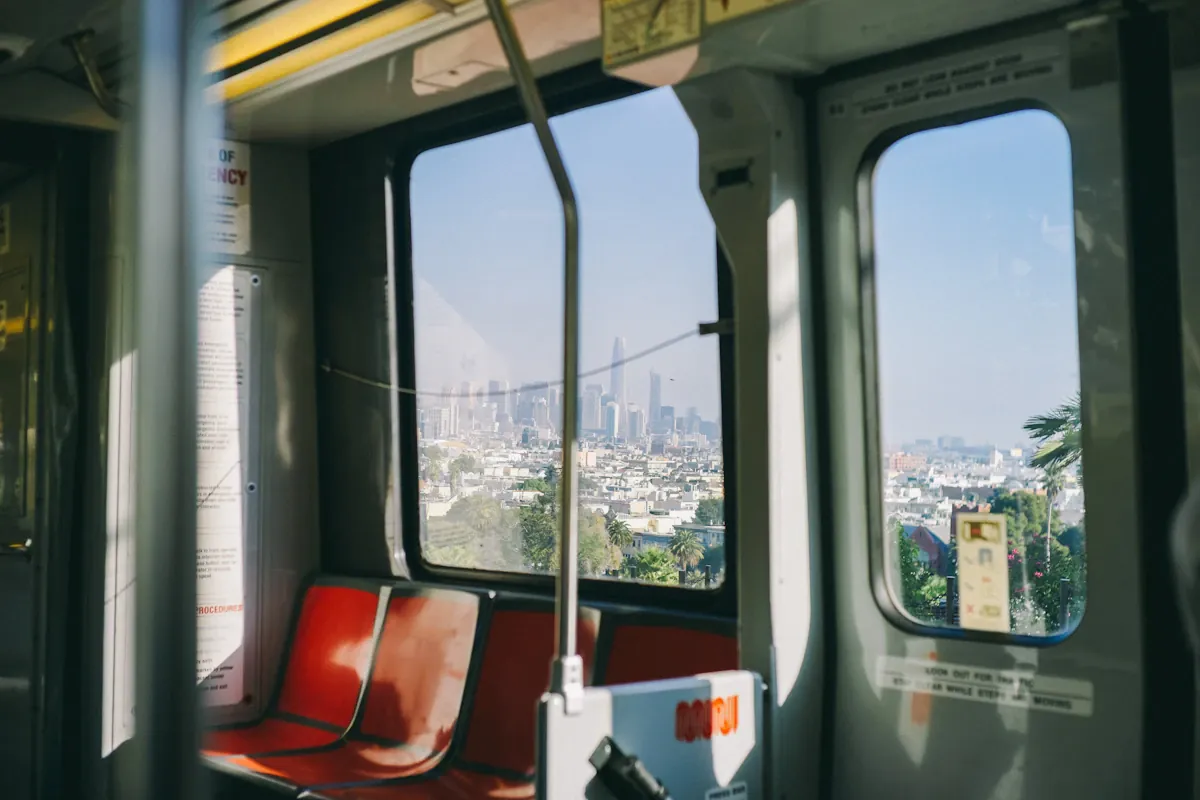
Travelling together does not always mean that everyone wants the same seat. One companion may value conversation, another may need a particular arrangement, and a third may simply hope to sit near their bag. A useful seating request starts with those real priorities. The photograph of a comfortable carriage can suggest an atmosphere, but it cannot confirm the layout, availability or reservation conditions for your particular journey.
Ask what matters before choosing a place
Discuss the needs of the people travelling before opening a seat map. Separate an essential requirement from a preference and let each person describe their own situation. Do not infer someone's needs from their age, appearance or the luggage they carry. A private conversation can identify what the group should ask the operator without collecting unnecessary personal details in a shared booking document.
Some requests may need to be handled through the provider's appropriate assistance process. Check the current official information and ask the relevant service rather than treating an ordinary seat-selection screen as the complete answer. This article does not establish what any operator can provide. Its purpose is to make the group's request clear enough that the actual provider can respond to the real journey and circumstances.
Keep the itinerary attached to the request
Identify the actual service, date and relevant part of the itinerary when asking a question. A useful answer about one train or segment may not apply to a connecting journey. If the trip involves several bookings, keep their seating information distinct. Avoid writing “seats sorted” beside the whole itinerary when only one part has been discussed or confirmed.
Read the operator's current description of the booking and reservation arrangements. Establish what has actually been selected or requested, what is confirmed and what remains uncertain. A screenshot of a preferred layout is not the same as a reservation confirmation. Store the actual booking information in an appropriate private place and avoid posting tickets or personal reference numbers in a public planning conversation.
Describe a priority rather than an ideal photograph
If the provider can accept a request, explain the group's main priority in plain language. It may be more useful to say that two companions hope to sit together than to describe a precise arrangement copied from a travel image. When several preferences conflict, decide which matters most before asking someone else to interpret the list.
Be realistic about uncertainty. Availability, carriage configuration and service arrangements need confirmation from the actual operator. Do not promise another traveller a particular seat on the basis of an unconfirmed preference. A clear explanation of what is known can be more reassuring than an enthusiastic claim that the booking will definitely resemble the image that started the conversation.
Connect the seating plan with the items you carry
Review the operator's current information about luggage and other relevant travel conditions for the journey. Consider what each person actually needs during the ride and how they will manage their belongings within the permitted arrangement. Do not use a photograph of empty adjacent seats as permission to occupy them with bags. Ask the provider about anything the published information does not resolve.
The repeated travel-outfit plan can help reduce optional clothing, while the suitcase zip inspection guide deals with the bag itself. Keep these packing decisions separate from promises about where a bag will fit on a specific service. The relevant dimensions and conditions need to be checked against the actual operator's guidance.
Have a courteous alternative in mind
Discuss what the group will do if the preferred arrangement is unavailable. This may involve adjusting the booking through the provider's permitted process or accepting a different arrangement that still meets everyone's requirements. Do not assume that another passenger must swap seats to complete your plan. A request to another traveller is a request, and it should not be used to solve a need that should have been discussed with the operator.
Where someone has an essential requirement, do not reduce the fallback to “we will see what happens.” Return to the relevant official assistance or booking channel and establish what can appropriately be arranged. Keep any resulting information with the itinerary so the person handling the travel documents understands which parts are confirmed and which questions remain open.
If one person handles the booking, ask them to share the relevant confirmed seating information with their companions. Avoid forwarding unnecessary account or payment details simply to explain where someone hopes to sit. Each traveller needs the information relevant to their journey, rather than access to the entire booking account.
Check the final record together
Before departure, let the companions review the relevant confirmed details and the unresolved points in a suitable private way. Correct misunderstandings while there is still time to contact the provider. A good seating plan is a shared understanding of the real booking, not a perfect diagram. Clear priorities, honest uncertainty and current official information are more useful than a promise made from an attractive carriage photograph.
Editorial & photography notes
Practical editorial guidance for ordinary situations. This article does not claim product testing or report current offers. Follow the relevant maker’s instructions for the items you use.
Illustrative stock photograph by Josh Wilburne: photo source. This scene does not identify our author or establish a product test.