A small bag can seem perfect beside a favourite outfit until closing it becomes a negotiation. A phone may push against the flap, a case may sit across the fastening, or a decorative closure may require two hands at exactly the moment one hand is occupied. Before deciding that a bag fills a wardrobe gap, investigate the action that makes it a bag: opening it, putting something inside and closing it again. The useful comparison is between the actual design and your ordinary movements, not between two appealing product photographs.
Separate appearance from access
Start with an empty bag when an in-store inspection or the seller's conditions allow it. Identify how the closure works and where your fingers naturally go. A turn-lock, zip, magnetic flap and drawstring ask for different movements. Use the fastening as intended rather than testing strength or deliberately pulling it out of alignment. If its operation is unclear, ask for the product instructions before deciding that an unfamiliar action is a fault.
Notice how far the bag opens. An attractive narrow opening can make a large interior surprisingly difficult to use. Conversely, a very wide opening may require more attention when finding an item. Neither design is automatically better; compare the compromise with the situations in which you will carry it.
Check your largest essential first
Use the dimensions of the phone, case or other essential item that must fit. Exterior measurements alone cannot establish the usable opening or interior shape. Look for interior measurements and clear views of the compartment, and ask the seller when the information is missing. A photograph beside an unfamiliar object is a visual clue rather than a reliable measurement.
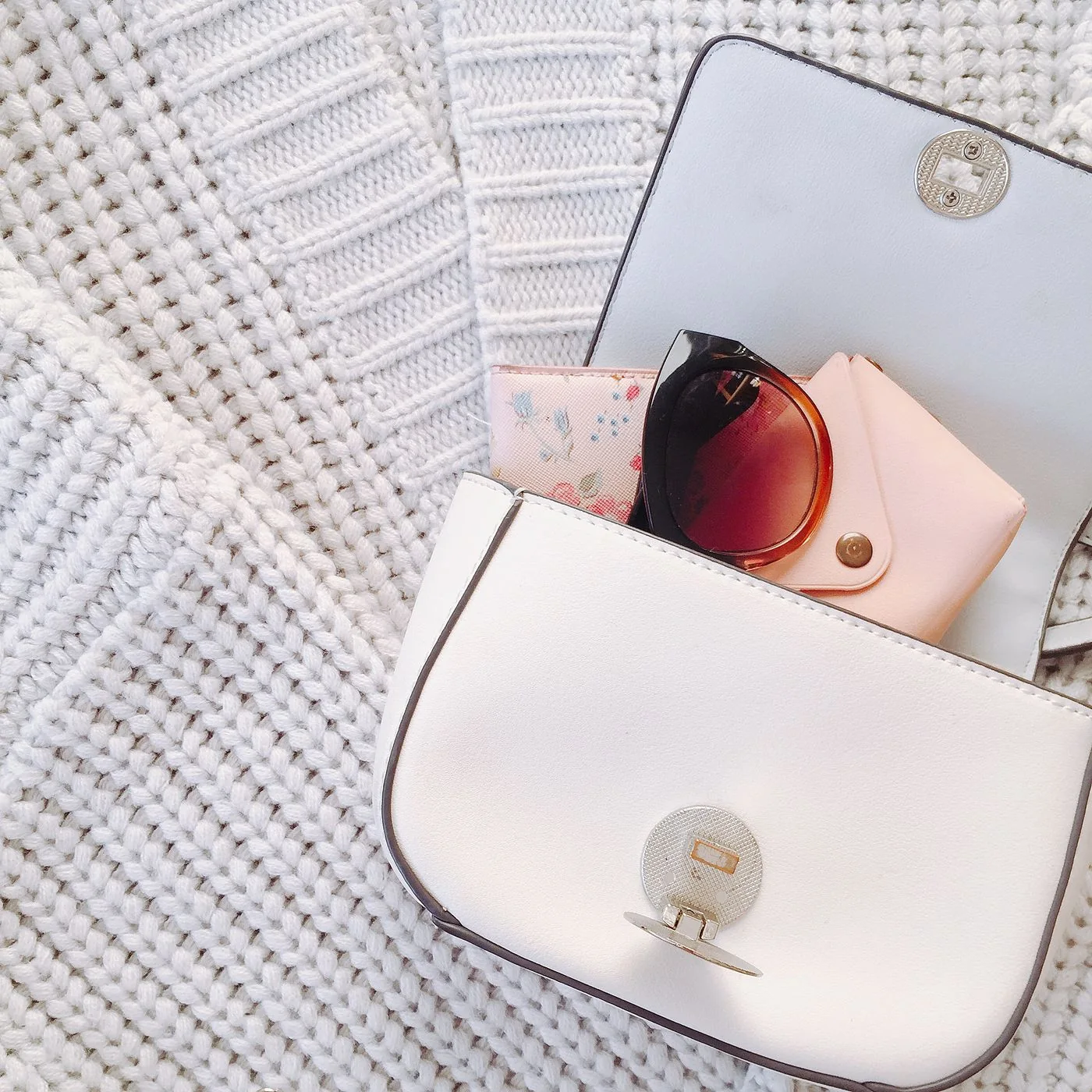
When permitted, place a clean ordinary essential inside without forcing it past the opening. See whether the item rests naturally or presses into the closure area. A bag that fits it only at a particular angle may still work, but that angle becomes part of every retrieval and return. Decide whether you want that extra arrangement before admiring the next colour.
Close the bag with a realistic arrangement
A bag may close easily while empty and behave differently with its intended contents. Where a suitable try-out is allowed, use a modest arrangement representing an ordinary outing rather than filling every spare corner. Keep tags and protective components intact as required. Do not add anything that could mark the lining or alter the condition of a potential return.
Watch the relationship between flap and fastening. If they need force to meet, remove items and reassess. The answer may be fewer contents, a different arrangement or a different design. Treat repeated resistance as information; squeezing the bag shut in front of a mirror does not establish that the combination will be pleasant all afternoon.
Follow the strap to its attachment points
Look at where the strap joins the body and how the bag rests in its intended carrying position. A detachable strap adds another operation to understand, including the direction of its clips and any adjustment hardware. Follow the maker's instructions rather than assuming a decorative-looking fitting is removable or designed to carry a particular load.
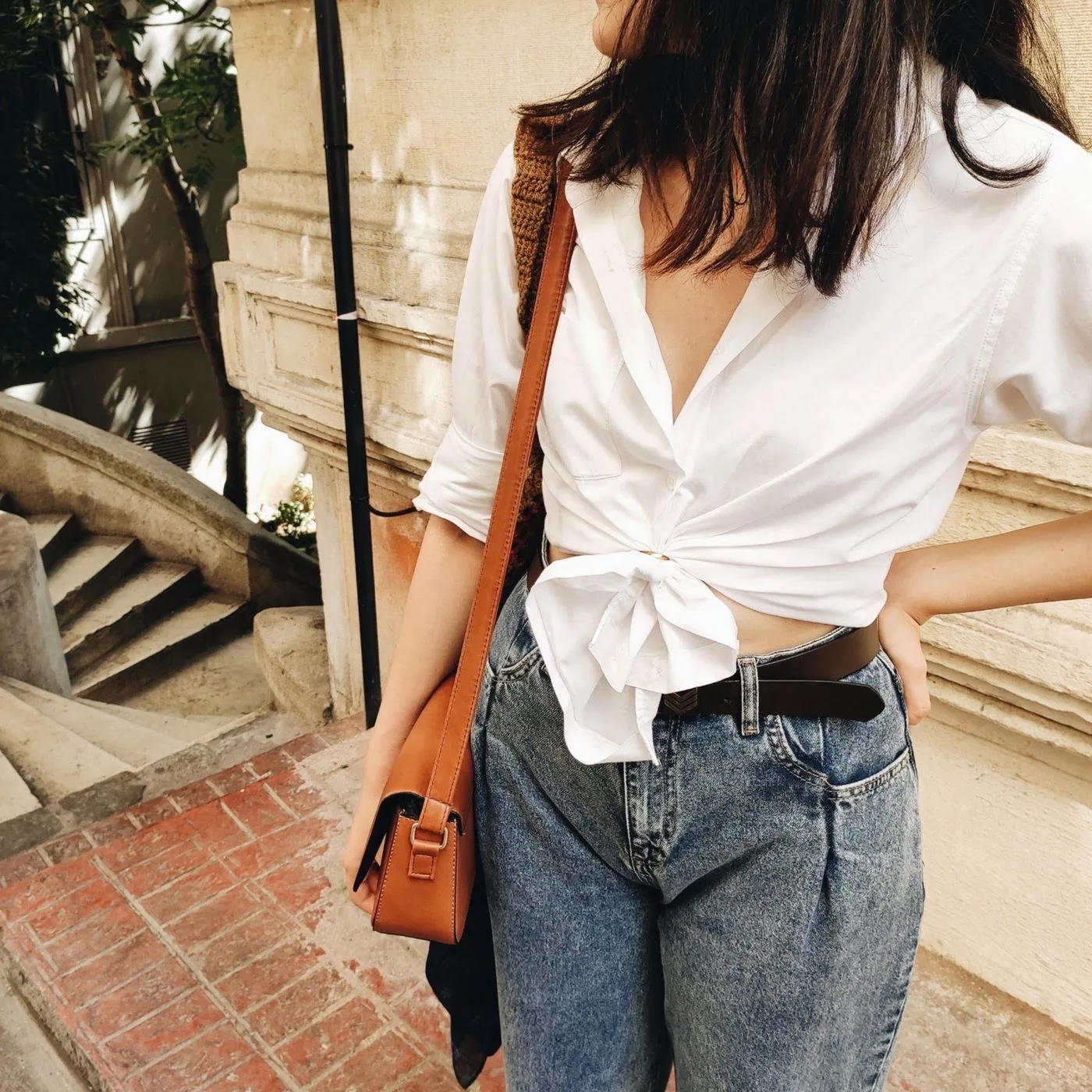
Compare the closure while the bag is worn, when the setting allows. A fastening that is easy on a counter can be less convenient against your side. If you intend to carry it by a top handle most of the time, give that position equal attention instead of evaluating only the strap photograph.
Inspect the details without inventing a durability test
Check visible stitching, edges and the alignment of the closure. Note loose components, sharp edges or an action that does not behave as described, and ask the seller about anything uncertain. This is a purchase inspection, not evidence that the bag will withstand years of use. A brief try-out cannot establish long-term wear, material authenticity or resistance to weather.
Avoid improvised scratch, water or load tests on merchandise. The relevant questions are whether the delivered item matches its description, whether it can be used as intended and whether its known limitations suit the purpose you have in mind.
Keep the comparison attached to the exact variant
Save the model, size and colour you are considering. A product gallery can show more than one version, and a familiar name does not guarantee identical dimensions or hardware. Compare the listing details for the selected variant, including any separate strap or accessory shown in photographs.
Read the seller's delivery and return information before ordering. The FTC's online-shopping guidance provides a useful general checklist for checking descriptions and retaining purchase records; the applicable terms for your order still need to come from the seller. Keep questions specific so that a reply about a different size cannot quietly become your purchase evidence.
Choose the compromise you can describe
Ask three practical questions: can the essential contents be retrieved comfortably, can the closure be used without force, and does the intended carrying position work? If the answer is yes only after removing something you actually need, the bag is probably for a different occasion. That can be a valid role, provided you name it honestly.
Do you need every compartment? Only those you will use. Is a difficult fastening necessarily defective? Not always; clarify its intended operation. Should you buy another organizer to make the bag work? Compare the added bulk before purchasing. A small bag earns its place when its everyday action makes sense, even after the outfit is no longer new.
Continue the practical edit
Related reading: Choosing an Everyday Bag by What You Carry, Is It a Wardrobe Gap or a Shopping Mood?.
Sources & further reading
Official information checked October 15, 2026. This guide presents research-based editorial advice, not a claim of hands-on product testing. Event details and stock information reflect that check date.
Illustrative stock photograph by Dina Nasyrova / Pexels: photo source. This scene does not identify our author or establish a product test.