
Notice what prompted the search
Sometimes a shopping search begins with a real problem: the only suitable work trousers no longer fit comfortably, or a worn shoe needs replacing. Other times it begins with a photograph, a dull afternoon, or the feeling that everything in the wardrobe looks familiar. Both impulses are understandable, but they call for different decisions. Naming the trigger makes it easier to choose without pretending every desire is an essential need.
Write the reason in one sentence before opening another retailer tab. If the reason is simply that you want novelty, you can decide how much discretionary money you want to spend on that. You do not need to invent a wardrobe gap to justify enjoyment. If the reason is a practical failure, describe where it happens and what the replacement must do differently.
Test the supposed gap with complete outfits
Choose three upcoming situations from your actual calendar: a workday, a weekend errand, and a dinner, for example. Build an outfit for each using clothes you already own, including shoes, layers, and undergarments. This reveals whether the missing piece is real. A wardrobe can look incomplete as a row of individual items while still supplying several comfortable outfits.
If one situation is difficult, identify the precise obstacle. It may be a trouser length, an uncomfortable top, or a layer that does not work over the chosen sleeves. Another existing combination could solve it. Try that before concluding you need to shop. If no combination works, you now have a useful purchase brief: one layer with room over a knit, or a shirt that fits beneath the current jacket without pulling.
Distinguish a replacement from a style experiment
A replacement should preserve or improve the function of the item it replaces. Compare the features that matter: fit, care, length, capacity, or walking suitability. A style experiment has a different purpose. You may want to try a new color or silhouette, and that can be enjoyable, but its success should be judged as an experiment rather than as a guaranteed solution to daily dressing.
Keep the budget separate for those roles if that helps. A necessary replacement should not quietly lose its funding to several inexpensive experiments. Likewise, an experiment does not need to become a large coordinated purchase. Try one change with clothes already in the wardrobe. If the new piece requires new shoes, a new top, and a different coat, pause and consider whether you are buying an entire new outfit rather than testing one idea.
Browse with a short, written brief
For a genuine trouser gap, Everlane's official trouser collection offers shapes and listing-specific inseam information to compare. For a shirt gap, J.Crew's official collection offers another set of cuts. Use the brief to reject options that do not solve the named problem. A compelling photograph or reduction should not override a fabric you dislike or a care routine you cannot maintain.
Read individual measurements, composition, care, and current return conditions before deciding. Do not assume that a general collection description guarantees fit. If the purchase is an experiment, make sure you can evaluate it within the retailer's rules before committing. Consider whether you are comfortable keeping it if returns are restricted. This is a decision about money and usefulness, not a test of self-control or personal worth.
Let time supply another piece of evidence
Leave the candidate aside long enough to dress for another ordinary day if the situation allows. During that time, see whether the same gap causes a real inconvenience again. If it does, the need becomes clearer. If you barely think about the item once you stop browsing, the attraction may have been momentary. Neither result needs a moral judgment; it is simply information for the purchase.
Keep a small note of unresolved wardrobe problems and completed solutions. This helps future shopping stay specific. A piece earns its place when it solves a practical issue or provides enjoyment you consciously budgeted for, while working with the rest of your clothes. You can buy something new without calling it essential, and you can leave a genuine gap unfilled until a suitable option appears. The most useful wardrobe decisions are the ones you can explain plainly after the shopping mood has passed.
A short note before checkout
Write the intended role, the pieces that support it, and the reason the current wardrobe cannot already do the job. If those answers remain vague, pause. If the purchase is simply for enjoyment, write that instead and use an amount you are comfortable spending for that purpose. Clear language prevents an attractive item from borrowing the urgency of a need it does not solve.
What if the gap stays unresolved for weeks? That can be useful information about the importance of the need or the difficulty of finding a suitable piece. Keep the brief and adjust only when you understand why candidates fail. You may discover that an alteration, another outfit combination, or a different requirement is the better answer. Waiting does not mean giving up; it means leaving room for a purchase that genuinely fits the role.
Options to consider
Use these retailer collections as starting points. Check the current product description, sizing, delivery and return terms before ordering; availability and prices can change.
Sources & further reading
Official information checked October 8, 2026. This guide presents research-based editorial advice, not a claim of hands-on product testing.
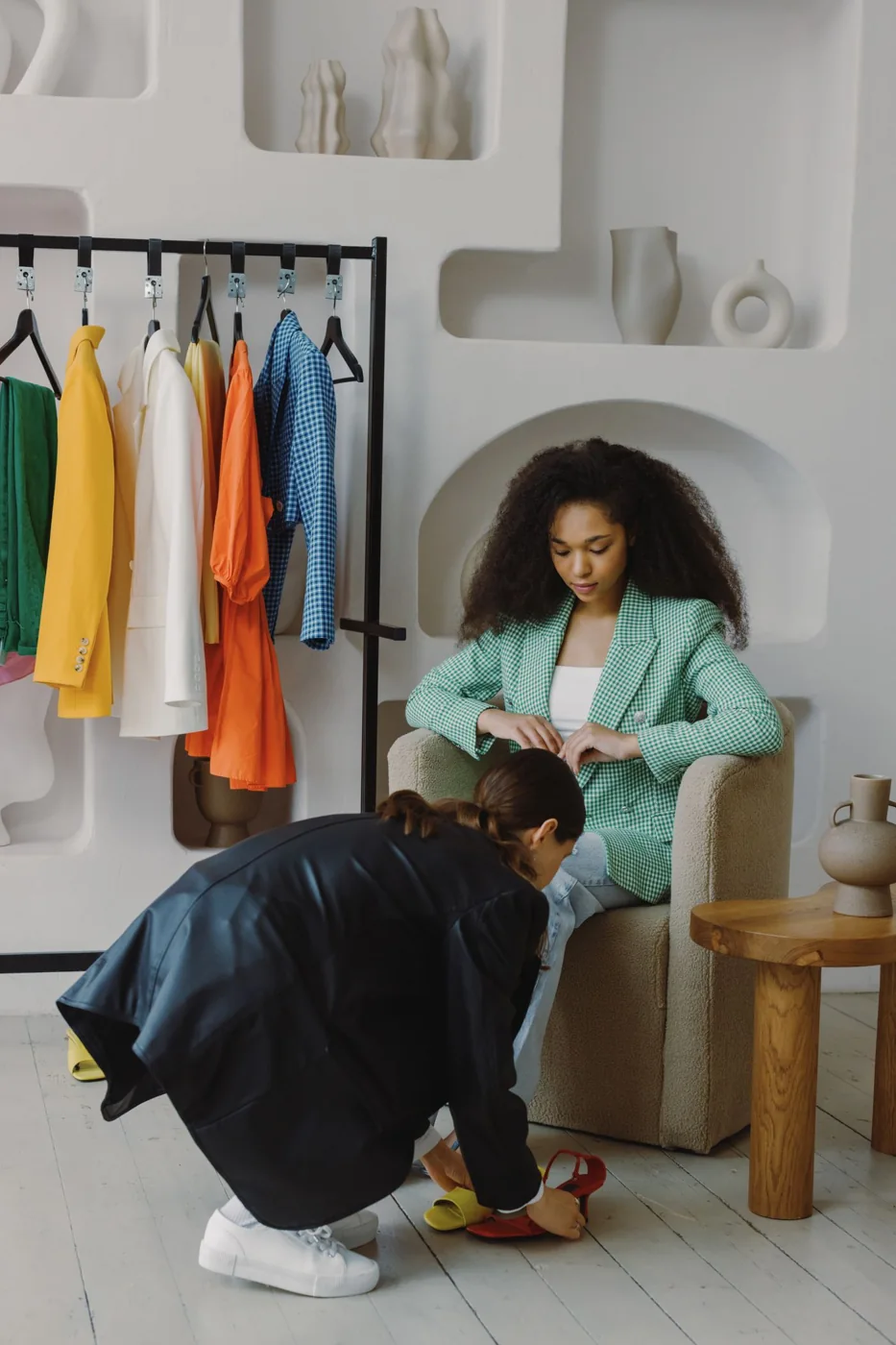
Illustrative stock photograph by Mizuno K: photo source. This scene does not identify our author or establish a product test.