Buying a shirt to go with something at home is often an exercise in memory. The trousers seem warm gray in your mind, the shirt looks softly blue in the shop, and the two become less convincing when they finally meet. A simple wardrobe reference can make that decision more concrete. Choose the garment the new shirt needs to serve, describe the intended combination and compare possible colours against that specific purpose. You are looking for a useful relationship, rather than a perfect match that exists only under one set of lights.
Name the outfit the shirt is meant to complete
Start with the bottom or layer that creates the need. Put it on with a shirt you already own and identify the unresolved question. Perhaps the combination feels darker than you prefer, the existing shirt is too bright for the jacket, or you want a plain option alongside a patterned skirt. Write that question down. It is more useful than a general intention to buy a versatile shirt, which can describe almost any colour convincingly while you are looking at it alone.
Check whether the problem is actually colour. A shirt with the right shade may still be unsuitable because of its length, sleeve volume or neckline. List those requirements separately so a pleasing colour does not erase them. For example, your note might say plain light shirt, comfortable under the navy jacket, enough room for normal movement, preferred untucked length. The reference garment helps with colour, while the rest of the note keeps the complete clothing decision visible.
Make a reference you can understand later
If it is practical and permitted, bring the existing garment when you shop. A small removable piece that genuinely belongs to it may also help, but do not cut or alter a garment simply to create a swatch. You can instead write a plain description and take a personal reference photograph. Treat the photograph as an aid to remembering the item and its role, rather than proof of an exact colour match. Lighting and screens can make a colour appear different from the garment in front of you.
Include a familiar neighbouring item in your reference if it helps explain the relationship. A picture of the trousers with the jacket and current shoes shows more of the intended outfit than an isolated close-up of fabric. Record which item the shirt must work with, so you do not confuse an incidental colour with the main requirement. Keep the reference small enough to consult easily. A large folder of attractive outfits can distract from the one practical question you set out to answer.
Compare relationships instead of colour names
In a shop, hold the possible shirt beside the reference garment where that comparison is allowed. Look at the colours together before judging the shirt alone. Ask whether they create the contrast you intended: lighter against darker, warm beside cool, or a quiet neighbouring shade. Product colour names can help identify an item, but words such as stone, cream or blue do not guarantee that two garments will relate in the same way. The actual comparison matters more than a promising name.
If you are considering a shirt online, use the available product photographs and description to form a provisional choice. Notice whether the colour appears consistent across the images, and keep uncertainty visible instead of persuading yourself that one preferred image settles the matter. You may decide to wait until a more direct comparison is possible. If you buy, understand the current seller's return conditions for that order before committing, especially when the colour relationship is the main reason for choosing the shirt.
Keep two suitable alternatives in view
Compare a clearly contrasting option with a closer neighbouring colour if both meet the practical requirements. A pale shirt might give dark trousers an obvious division, while a muted mid-tone can make a quieter combination. You may prefer the contrast once you see the complete outfit, even if you originally imagined an almost-match. Keeping two distinct alternatives prevents a long search for a tiny shade difference whose importance may disappear when the garments are worn together.
Avoid adding unrelated purchases to rescue the first option. If a shirt only seems convincing with different shoes, another belt and a new jacket, pause and return to the original purpose. Those items may be worth considering separately, but they change the scope of the decision. The reference garment was meant to make one existing outfit more useful. A colour that creates several additional needs may be attractive while still being the wrong answer to that particular wardrobe question.
Judge the complete combination at home
When you can compare the garments directly, try the complete outfit in ordinary light and check the shirt with the layer open and closed. Notice the colour at the neckline, cuffs and hem, because those may be the only areas visible beneath a jacket. Move normally and see whether you still enjoy the relationship. Keep any return conditions in mind during a permitted try-on, and avoid treating a new purchase as automatically settled before this final outfit comparison has happened.
If the colour works, update your wardrobe note with the useful relationship: pale blue shirt with dark gray trousers and the existing jacket, for example. If it does not, record why in specific terms rather than declaring the colour impossible to wear. Perhaps it needed a different contrast, or the shirt shape was the real issue. The reference process becomes more useful with those observations, helping future choices begin with clothes you understand instead of another uncertain memory of a shade at home.
Related reading
Is It a Wardrobe Gap or a Shopping Mood?, Buying a White Shirt That Works Beyond the Fitting Room.
Editorial & photography notes
Practical editorial guidance for ordinary situations. This article does not claim product testing or report current offers. Follow the relevant maker’s instructions for the items you use.
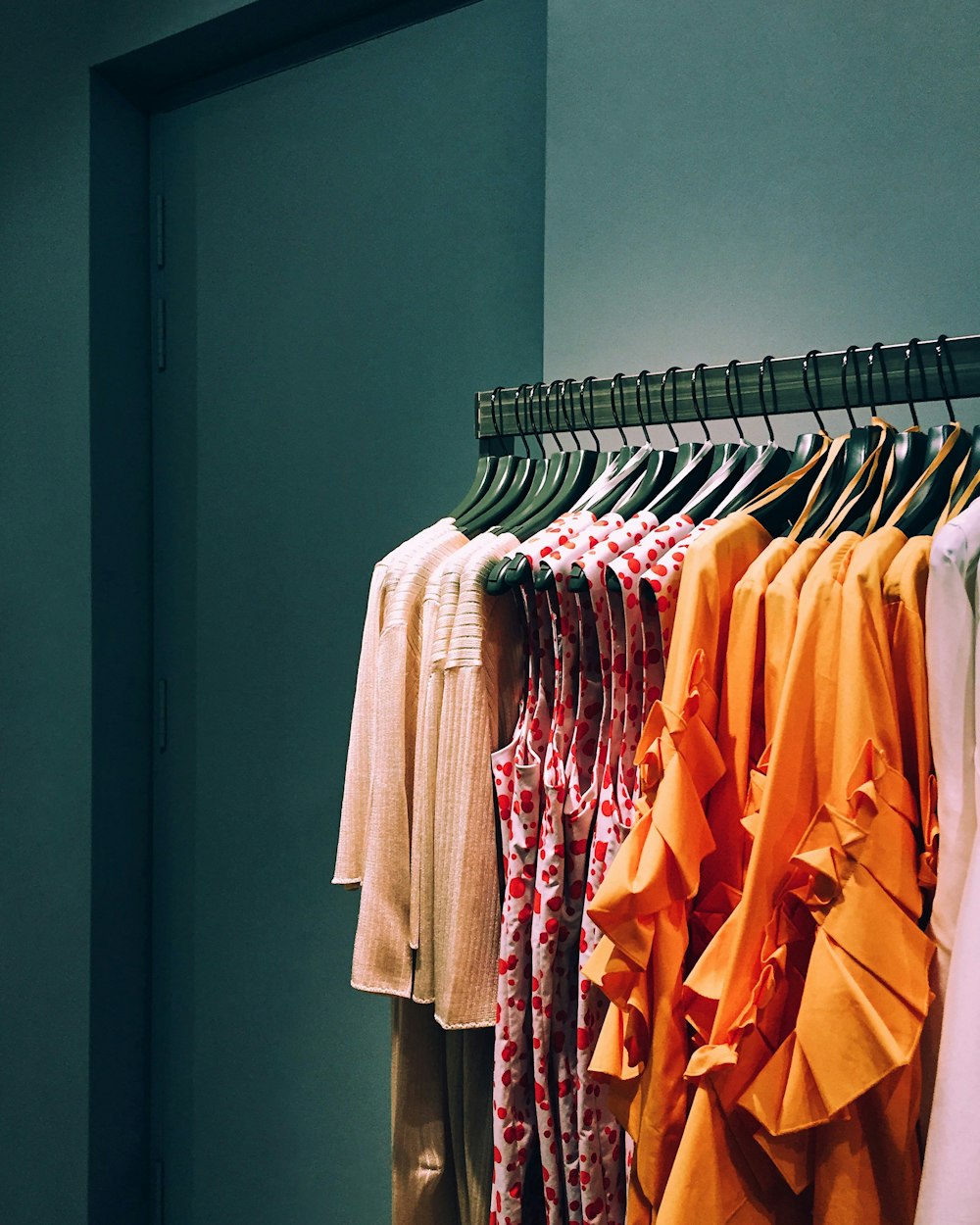
Illustrative stock photograph by Marcus Loke: photo source. This scene does not identify our author or establish a product test.