
Start with the ordinary moment
A closet can feel full even when getting dressed is difficult. The reason may be the mix of current outfits, occasional pieces, empty packaging, and clothes waiting for a decision. Organizers cannot decide what belongs there. Begin with the categories you use in an ordinary week, then make those categories visible. A useful wardrobe arrangement should help you find an outfit before breakfast without requiring every garment to be folded identically.
Make the arrangement work before you shop
Work through one section at a time so the whole room does not become a sorting area. Separate current clothing from items needing repair, laundering, or a decision. Use appropriate hangers for the garments and keep frequently worn pieces easy to reach. Fold small items into manageable groups rather than tall unstable piles. Place occasional items where they remain accessible but do not crowd daily choices. Leave a defined space for anything awaiting action, and give that space a review date so it does not become indefinite storage.
Choose by the job, not the complete set
A closet arrangement needs a return path. Hanging clothes is easy when there is room for the hanger, and putting folded items away is easier when a drawer is not packed to its limit. Look at those small movements before judging the visual result. A wardrobe that can accept today's clean laundry is more useful than one arranged perfectly for an hour and difficult to maintain afterward.
Compare open compartments, closed boxes, and hanging space by the garments they serve. Open compartments improve visibility for small current items. Closed boxes may suit occasional pieces when the storage conditions and materials are appropriate. Hanging space can help some garments retain their intended shape, following their care requirements. Buying a container because it matches another container does not establish that it is right for the contents.
Keep the decision category modest. A repair item needs a next action, while a garment you no longer use needs a thoughtful decision about its future. Placing both in a large miscellaneous box makes the closet look clearer without resolving either. Set a review time and keep the group accessible enough to deal with. The organizer purchase can wait until the categories are stable.
When you shop, bring internal measurements, including obstructions, and the size of a representative group of clothes. Do not fill a drawer with dividers that leave less usable room than the items require. Check that the final arrangement supports ordinary folding and hanging rather than a technique you are unlikely to repeat on a busy evening.
Measurements and details to check
Measure internal shelf and drawer dimensions, including hinges or rails that reduce usable room. Check hanger width and how doors close around clothing. An organizer should fit the actual garments, not just the empty drawer. If you plan under-bed storage, measure clearance and ensure the container can be removed easily.
Shopping paths and their tradeoffs
The retailer links below are starting points for comparing appropriate options, rather than a claim that every item in a collection will fit. These are editorial suggestions based on the intended use and the retailers' published categories. We have not performed hands-on product tests for this guide. Stock, specifications, shipping, and prices can change; check the selected product's current information.
The Container Store organization range: Compare closet solutions after identifying the categories and measurements. The tradeoff is straightforward: A system can be larger and more involved than a small wardrobe needs. If that limitation conflicts with the routine described here, continue comparing rather than accepting it for the look.
MUJI storage organizers: Explore compact compartments for small folded items. Keep this limitation in mind: An empty organizer's dimensions do not guarantee a comfortable loaded fit. A retailer with several suitable-looking choices still needs to be narrowed by the way your household uses the space.
IKEA home range: Browse storage accessories to address one awkward section. Before committing, remember: Check mounting requirements and exact clearances. Browse with a short list of requirements so a useful purchase does not become an unplanned bundle.
Care belongs in the purchase decision
Store garments clean and appropriately dry, follow their labels, and keep repairs separate enough to remember. Wipe drawers and shelves before rearranging contents. Use any storage accessories according to their instructions. Avoid assuming a sealed box is appropriate for every fabric or every storage environment.
What not to overbuy
Skip matching bins before sorting the clothes. A container that hides everything may undermine the visibility you need to get dressed. Do not buy a full hanger set if existing hangers are suitable. Extra rails and door-mounted systems need correct installation and load suitability; capacity promises should not replace checking the selected item.
Try it in an ordinary week
Use the revised arrangement for a working week. Watch where clean clothes get stuck instead of being put away, and whether one category spills into another. Adjust those boundaries before purchasing dividers. The best storage upgrade makes the return path easier; a beautiful setup that is difficult to maintain will quickly lose its purpose.
Questions worth answering first
Should everything be color coded? It is optional; grouping by garment type or daily use may be more practical. Are open bins better than closed ones? Choose visibility or protection according to the contents and placement. What belongs at eye level? Prioritize regularly used items rather than the pieces that make the nicest display.
Options to consider
Use these retailer collections as starting points. Check the current product description, sizing, delivery and return terms before ordering; availability and prices can change.
Sources & further reading
Official information checked October 8, 2026. This guide presents research-based editorial advice, not a claim of hands-on product testing.
- The Container Store organization range — official retailer
- MUJI storage organizers — official retailer
- IKEA home range — official retailer
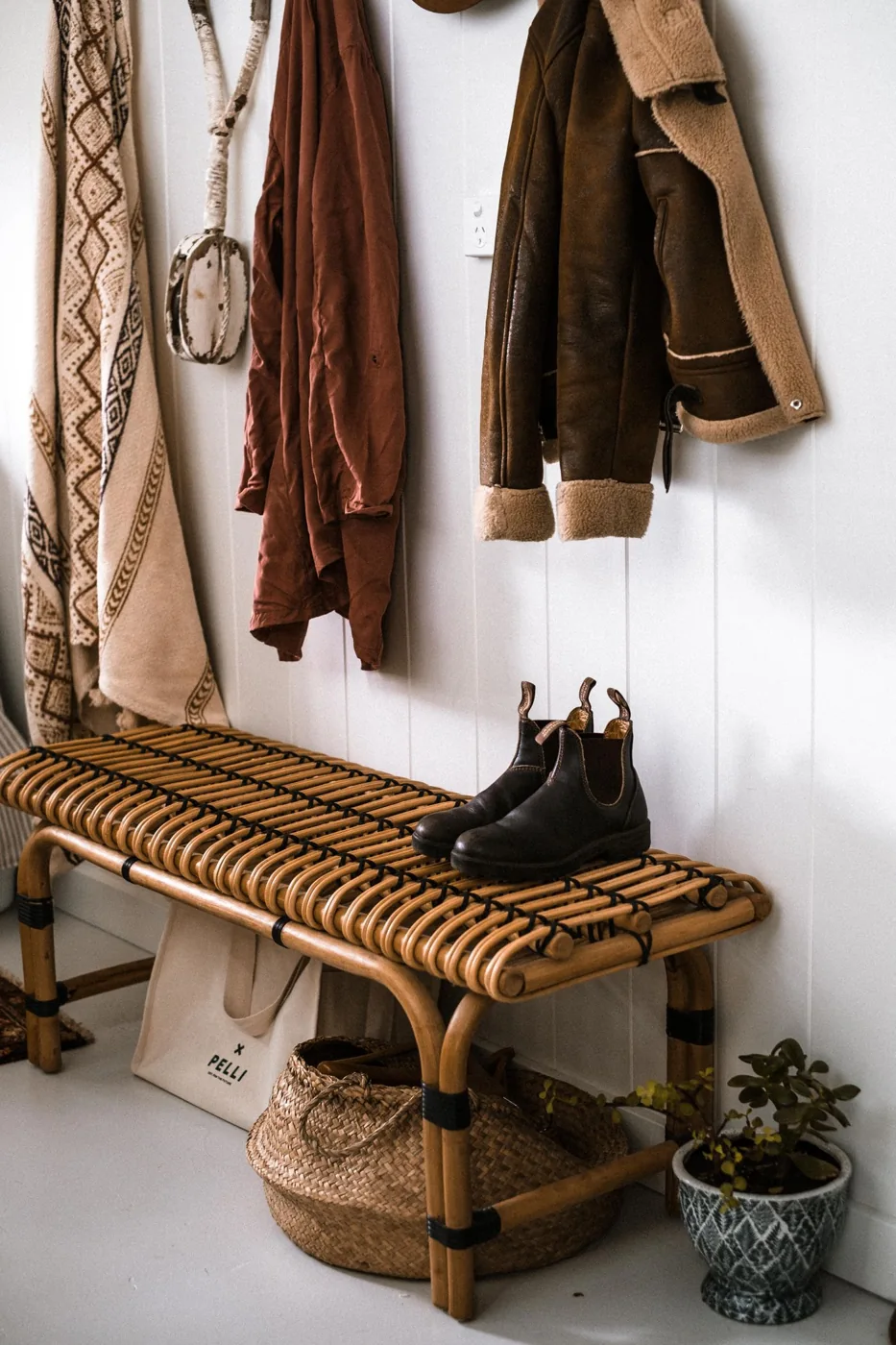
Illustrative stock photograph by Liza Summer: photo source. This scene does not identify our author or establish a product test.