A beaded bag can provide the most visible detail in an otherwise quiet outfit. Its decorative surface also changes the questions worth asking before wearing or buying it. What will the bag rest against? How is it meant to be carried? Where will it go during a meal, and what care information is available? Begin with those contact points rather than assuming the bag needs a special occasion to justify it. The useful decision is whether its construction and handling requirements fit the situations in which you actually expect to enjoy it.
Establish what the seller is describing
Read the material and construction information for the exact bag. The appearance of a bead does not establish whether it is glass, plastic, stone or another material, and a photograph cannot prove the nature of a coating or attachment. Ask for missing information when it matters to the way you intend to use or care for the item.
Keep descriptions separate from your own visual impressions. A glossy surface may simply be glossy; it does not need to become a claim about a particular material. The same caution applies to a lining, handle or decorative chain. Clear product information is more useful than a persuasive name that leaves the practical details uncertain.
Follow the intended carrying method
Look at the handles, strap and their attachment to the bag. Identify the carrying positions supported by the design and any relevant instructions. A decorative loop or chain should not automatically be treated as a load-bearing handle. Where a component is detachable, understand how it operates before using it or deciding that a fitting is loose.
Consider the contents you expect to carry without turning the inspection into a strength test. If the maker provides a capacity or use limit, respect it. A visually substantial bag can still have delicate details, and the brief act of holding it cannot establish long-term durability.
Compare the bag with the actual clothing
Where an appropriate try-out is permitted, consider how the decorative surface meets the outfit. A textured knit, a loose weave and a smooth jacket present different contact situations. Look for details that could catch, but do not rub the bag deliberately against fabric to test it. A gentle ordinary comparison should not damage either item.
If a particular garment and bag do not seem compatible, choose a different pairing. The bag does not need to work with every coat or cardigan to have a useful role. Equally, a favourite outfit should not become an ongoing repair project merely to accommodate an accessory chosen without considering contact.
Inspect visible attachments calmly
Look for missing decoration, loose components or edges that differ from the description. Ask the seller or maker about any uncertain detail rather than pulling at it to see whether it will detach. On a pre-owned item, distinguish declared condition from an unresolved question and keep any relevant reply with the listing information.
Some variation may belong to the intended design, while another visible change may require professional attention. You do not have to diagnose the construction yourself. A useful purchase inspection identifies the question accurately and seeks an appropriate answer, without claiming that a few minutes of looking amount to a technical assessment of the whole bag.
Decide where it will go when you sit
Picture the actual setting in which the bag will be used. At a table, on a journey or during a visit, it needs an appropriate place while your hands are occupied. Avoid assuming that every hook, chair back or narrow ledge is suitable for the bag's shape and carrying construction.
Choose a practical arrangement that respects the item and the surroundings. If the bag has to remain in your hands throughout an activity where you need them free, it may belong to another occasion. This is a useful limitation to recognise before departure, rather than discovering it when the decorative front is the only feature you remembered to evaluate.
Keep care specific to the materials
Use the maker's care information for the complete item, including its decorative components and lining. Do not apply a household cleaning method simply because it is familiar from another bag or a different type of bead. An uncertain material or attachment is a reason to seek suitable advice, not an invitation to try several treatments until one appears to work.
Keep a damaged or questionable item separate from ready accessories until its condition has been resolved. If a repair is appropriate, describe the actual issue to a relevant professional. A replacement bead, a different thread or an improvised adhesive may affect more than the small area that first caught your attention.
Give storage the same thought as display
Choose suitable storage according to the bag's instructions and construction. Keep it identifiable and protected from unsuitable contact with neighbouring items. Avoid hanging it by a component whose purpose is unclear or compressing it into a space that changes its shape. A decorative accessory can be easy to find without being left permanently exposed on a crowded surface.
The FTC's online-shopping guidance offers further reading on checking product information and retaining useful purchase records. Must a beaded bag be saved for evening? Only if that is the role that suits your needs. Can a photograph establish its care method? No. Should one awkward clothing pairing rule it out entirely? Not necessarily. Choose the bag for a real, manageable role, with its decorative appeal and ordinary handling considered together.
Continue the practical edit
Related reading: Choosing an Everyday Bag by What You Carry, Is It a Wardrobe Gap or a Shopping Mood?.
Sources & further reading
Official information checked October 15, 2026. This guide presents research-based editorial advice, not a claim of hands-on product testing. Event details and stock information reflect that check date.
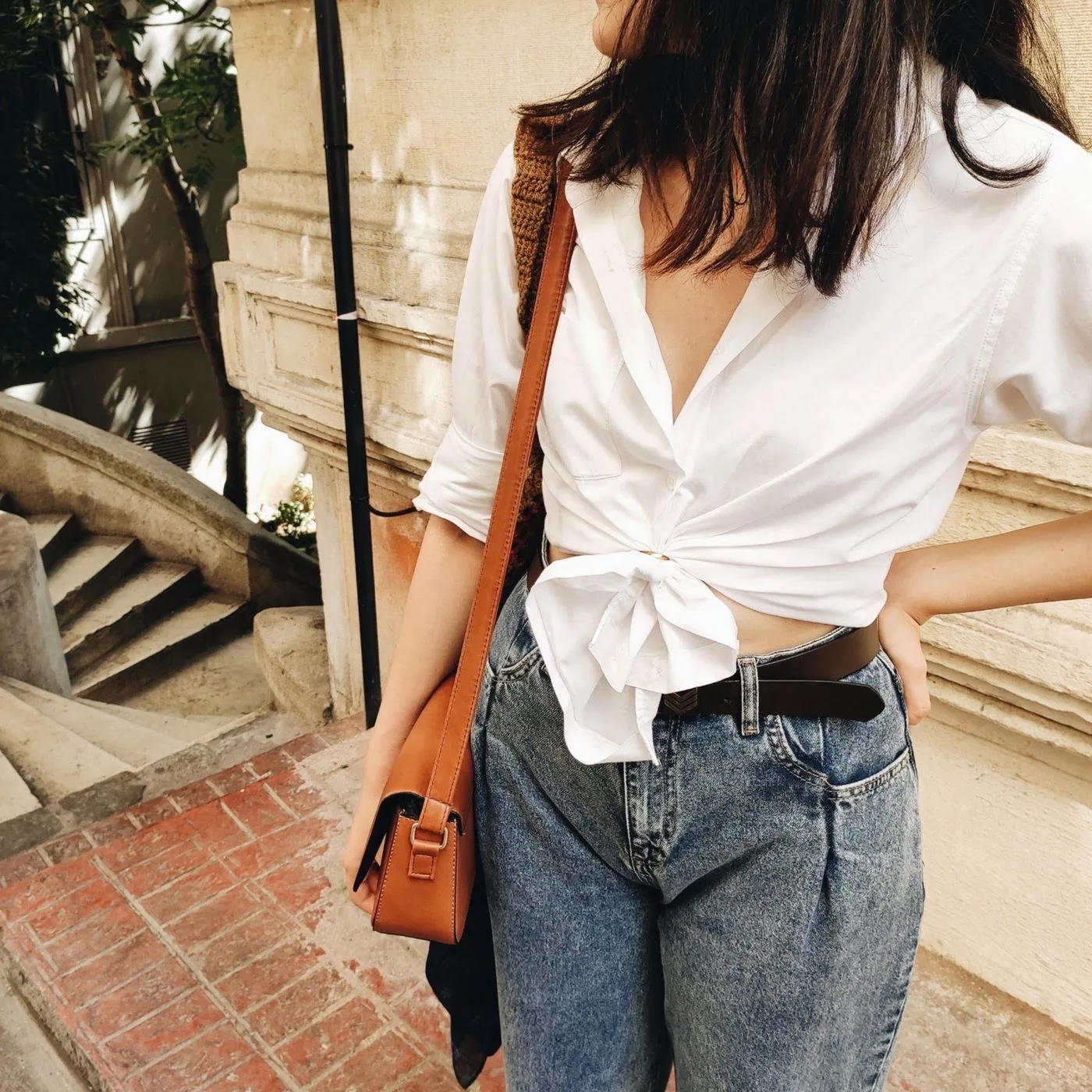
Illustrative stock photograph by Chimango Hara / Pexels: photo source. This scene does not identify our author or establish a product test.