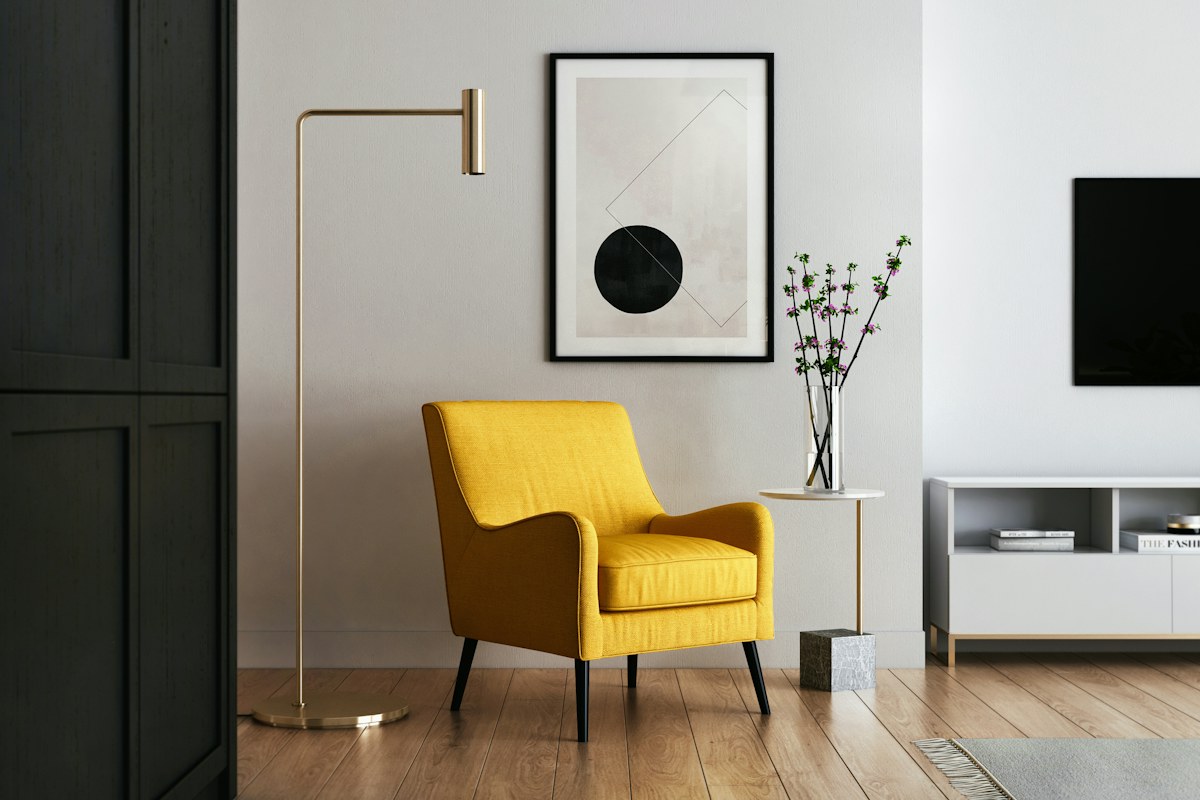
An accent chair can look like the finishing piece a room needs while remaining the seat nobody chooses. Before buying for colour or silhouette, decide who will sit there and what they will do. Reading, conversation and putting on shoes ask different things of a chair. The useful choice connects the seat to an ordinary action in the room, so the piece contributes more than a shape in the corner and remains pleasant to use after the novelty of the design has passed.
Name the chair's main purpose
Choose the activity that will happen most often. A chair used for brief conversation can differ from one intended for a long reading session. Think about whether the person needs to reach a table, face another seat or move the chair occasionally. Avoid asking one compact accent piece to replace every kind of seating in the home. A clear purpose makes it easier to compare the practical differences between models that appear equally attractive in a photograph or showroom arrangement.
Look at the seat before the outline
Notice the depth, height and shape of the sitting area, then consider how they relate to the person who will use it. A deep seat can invite one posture while making another awkward. Do not treat a fashionable low profile as a universal sign of comfort. Where a seller permits, sit normally and take time to notice how the chair supports the activity you described. The point is your own comfort and use, not matching the pose shown in a promotional photograph.
Try getting in and out normally
Consider the whole action of using the chair, including approaching it and standing again. Armrests, cushion shape and surrounding space may all affect that experience. If someone else will use the chair regularly, include them in the decision rather than judging on their behalf. For a specific access or support requirement, seek appropriate product information and advice rather than relying on appearance. A chair can be beautiful and still be unsuitable for a particular person, which is a reason to choose differently rather than endure it.
Recreate the room's available space
Measure the intended position and the route around it, using the product's actual dimensions. Include the space needed to sit, reach a nearby table and move through the room. A chair that fits a corner geometrically may still crowd the useful path. Marking the footprint with a suitable temporary method can help you understand the arrangement, provided it does not damage the floor. Check doorways and delivery access as well. The journey into the home belongs in the purchase decision.
Think about the nearby surface
If the chair is for reading or a drink, decide where those belongings will rest. A small side table may be useful, but it should not obstruct movement or force an awkward reach. Check the relationship between seat and surface rather than selecting each item separately. Lighting also belongs in that relationship. A chair placed for its appearance may end up too far from the lamp used at night. Arrange the practical group first, then consider how its colours and materials relate to the rest of the room.
Assess the upholstery as an everyday surface
Read the care information for the actual fabric or finish, including any cushion instructions. A light colour or textured weave is not automatically impractical, but it needs a care routine you understand and can manage. Ask for relevant material information rather than assuming a showroom sample represents every option. Consider the household's normal use and whether a decorative throw would help or simply become another item to reposition. Do not buy on an unverified promise that every mark can be removed easily.
Compare comfort with the complete purchase terms
Check the total arrangement, including delivery, assembly where relevant and the seller's current return terms. A chair ordered from an image may be difficult to assess until it arrives, so understand what happens if it does not suit your needs. Keep dimensions, fabric choice and agreed details together. Avoid letting a short-lived offer rush a decision that affects the room's daily use. A clear practical comparison is more useful than choosing the most dramatic silhouette and hoping the remaining questions will resolve themselves.
Let the chair earn the corner
Once placed, use it through ordinary routines before adding more accessories around it. Notice whether the table, light and route need a small adjustment. If the chair becomes a permanent holding place for clothing, ask whether its intended activity actually fits that part of the room. You may need a different position or a simpler arrangement. The strongest accent chair is one people naturally choose because it supports a comfortable moment. Its appearance can then strengthen a role that already makes sense.
Continue the practical edit
Related reading: Choose Lighting for How You Use a Room, An Armchair Throw You Can Use and Return Easily.
Editorial & photography notes
Practical editorial guidance for ordinary situations. This article does not claim product testing or report current offers. Follow the relevant maker’s instructions for the items you use.
Illustrative stock photograph by Kam Idris: photo source. This scene does not identify our author or establish a product test.