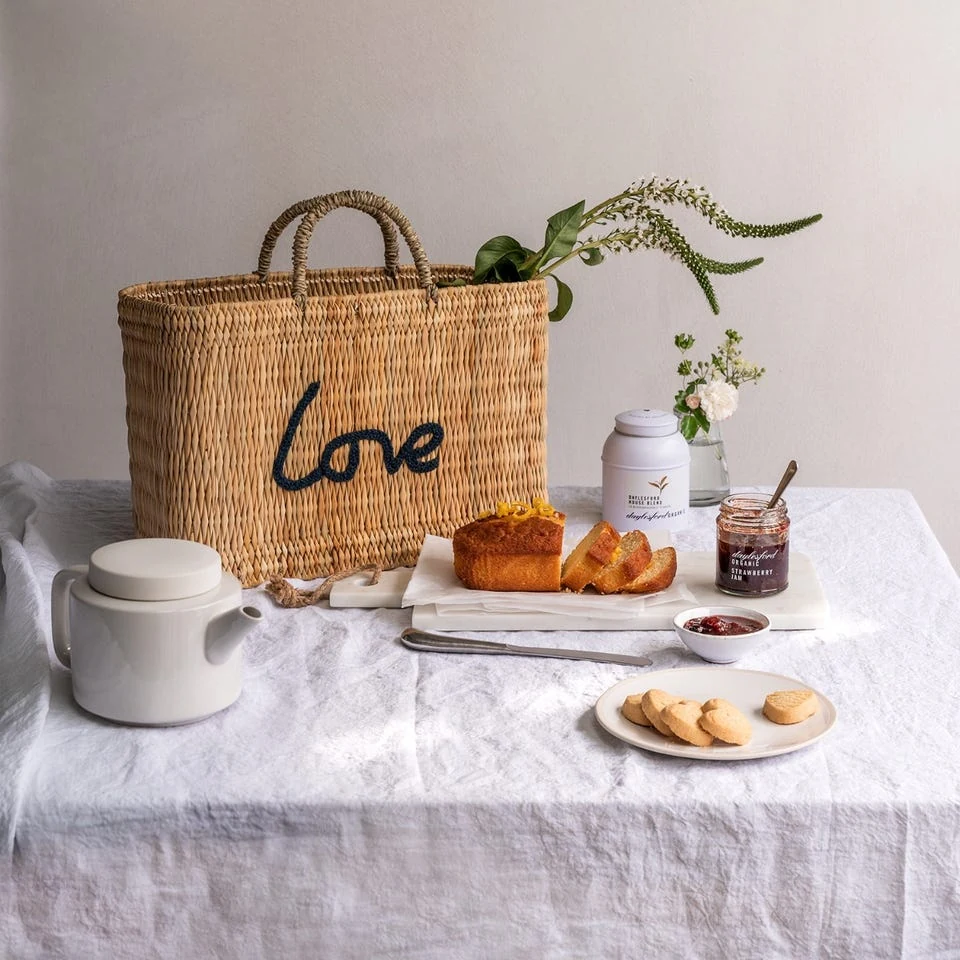
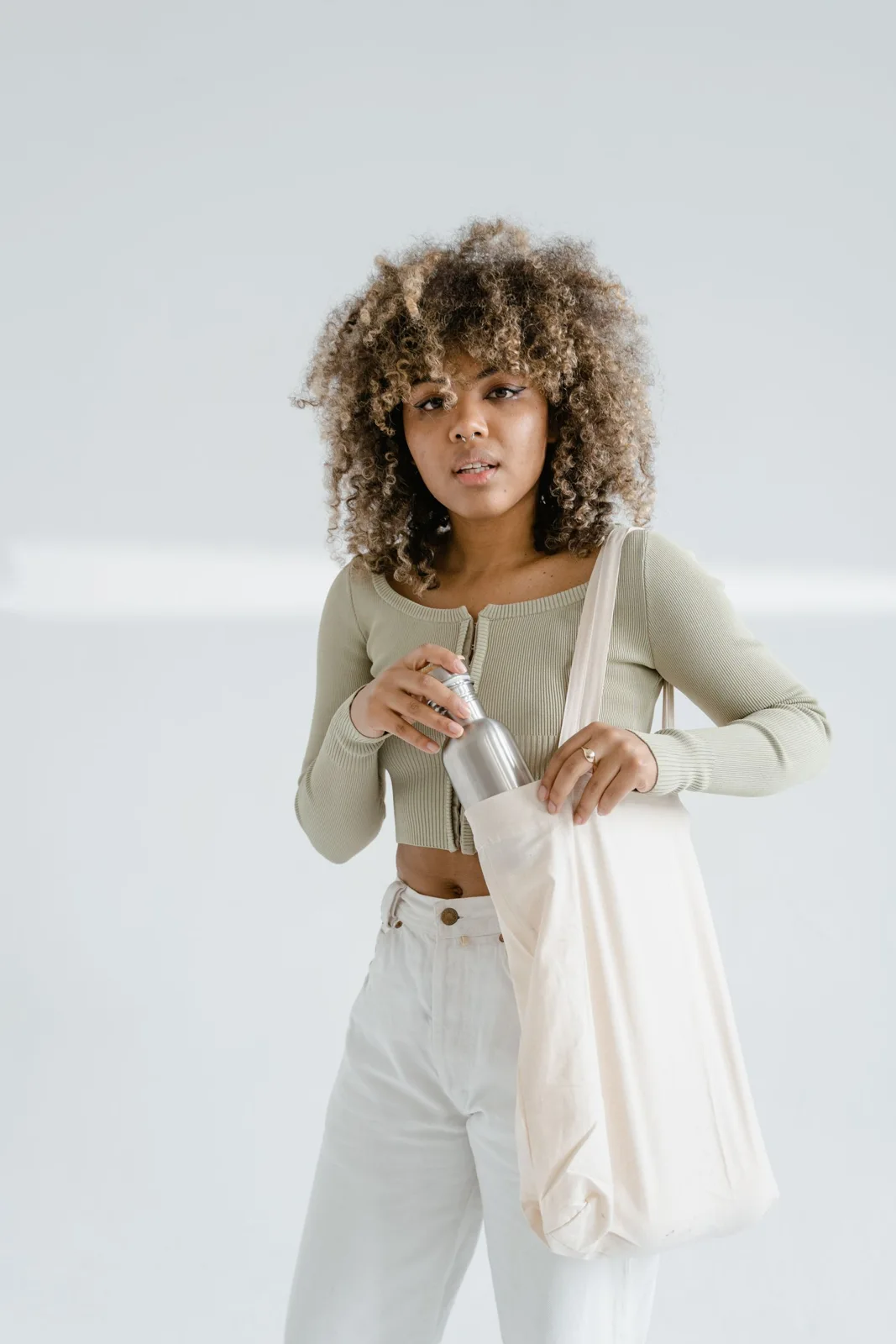
A bottle can be useful on an ordinary day and still be inconvenient in the bag you carry. Its height may interfere with the opening, its shape may occupy the space needed for another item or its closure may be awkward to use when the tote is full. Before replacing either object, examine them together with the actual contents of the bag. A product photograph showing a bottle beside a tote does not demonstrate that the combination works for your routine.
Start with the bottle's intended use
Read the manufacturer's information for the exact bottle, including its permitted contents, handling, transport and care. Do not infer leak resistance, temperature suitability or another function from a familiar shape or material. The lid, seal and body may each have relevant instructions. If the proposed use is not supported or an important detail is unclear, resolve that question before putting the bottle among other belongings.
Keep this check focused on carrying equipment. It does not prescribe how much anyone should drink or claim that one kind of bottle provides a health benefit. Choose an arrangement that fits your own needs and any appropriate advice relevant to you. A larger capacity is not automatically a more useful purchase if the resulting object is inconvenient to carry or care for.
Measure the real outside shape
Compare the bottle's actual height and width, including the lid or handle where relevant, with the usable space in the tote. A capacity label describes contents, not necessarily the space the object occupies. Check the opening as well as the bag's widest part. A bottle that fits inside may still be difficult to insert or retrieve without moving several other objects.
If shopping online, use the exact product's stated dimensions rather than estimating from a model photograph. A familiar-looking tote in that photograph may differ from yours. Where dimensions are missing and the fit matters, ask for the relevant information or keep the purchase undecided. Do not allow an attractive colour match to answer a question about physical space.
Include the ordinary contents of the tote
Lay out the items that genuinely travel together on a normal day. Consider how the bottle relates to a notebook, clothing layer or other equipment, following the bag's loading guidance. Do not create a special empty-bag demonstration that removes everything responsible for the real difficulty. The useful combination is the one you can carry in ordinary use.
The guide to choosing an everyday bag by its contents offers a broader starting point. For this decision, avoid changing the entire bag collection because one optional object does not fit. It may be easier to choose another suitable bottle, carry a different set of belongings or use another appropriate arrangement already available at home.
Check retrieval without relying on a perfect packing order
Try the supported arrangement with the tote packed for the intended use. Can the bottle be reached and returned without emptying unrelated items? Does the bag's opening remain usable? Keep the test within the products' instructions and avoid overloading the tote or forcing a closure. A combination that works only when everything is held in an exact position may be too fussy for an ordinary errand.
Consider where you will put the bottle while using the bag's other contents. Do not assume every destination provides a suitable surface or a place to leave an open container. A practical routine includes closing and returning it appropriately, not merely retrieving it for a photograph. If the process is awkward, identify the specific obstruction before shopping for an additional organiser.
Keep vulnerable belongings appropriately separate
Use the bottle and any additional protective arrangement as directed, taking account of the other belongings you carry. Do not make an unverified promise that a bottle cannot spill or that a particular pouch will protect electronics or paper. A product's actual stated performance and limitations matter more than how secure the lid appears in a close-up.
If the tote lacks suitable separation for your intended contents, reconsider the arrangement rather than improvising confidence. A different supported bag or carrying method may be appropriate. Keep valuable or sensitive belongings out of an arrangement you cannot reasonably assess. The point is to make an informed practical choice, not to prove that every bottle can be made to work in every tote.
Include the return-home routine
Follow the bottle's cleaning and drying instructions and give its components a recognisable place. Before buying another bottle because one seems to be missing, check whether it is still in yesterday's bag or waiting for appropriate care. An attractive replacement can conceal an unresolved return routine rather than improving it.
The walk-and-errands kit guide offers a related way to keep carried items connected to a real day. Once the bottle, bag and routine work together, resist adding accessories without a defined need. The useful result is a combination you can pack, carry, use and return confidently, with its limitations understood and its care remaining manageable.
Editorial & photography notes
Practical editorial guidance for ordinary situations. This article does not claim product testing or report current offers. Follow the relevant maker’s instructions for the items you use.
Illustrative stock photograph by Stock photographer: photo source. This scene does not identify our author or establish a product test.