A single sock or another apparently incomplete laundry pair can move through a home for weeks without a decision. It may return to a drawer, disappear into a basket or prompt a replacement purchase before anyone checks where its companion went. Give unmatched laundry one temporary place and a simple checking process. The aim is to resolve a small uncertainty, not to build a permanent collection of orphaned items or turn an ordinary wash into an investigation.
Establish what is actually unmatched
Check whether the item needs a companion at all. Some household textiles are intentionally different, and another person's belongings may not follow your matching system. Ask the owner where that is appropriate rather than deciding from appearance. A pair can also have changed condition unevenly, so two items that once looked alike may no longer appear identical after ordinary use and care.
Keep the process within ordinary handling and the equipment's instructions. Do not open machinery, remove components or reach into inaccessible areas to search for a missing piece. If you suspect an equipment problem, consult the appropriate instructions or competent service support. A laundry organisation note cannot make an improvised appliance investigation appropriate.
Choose one temporary holding place
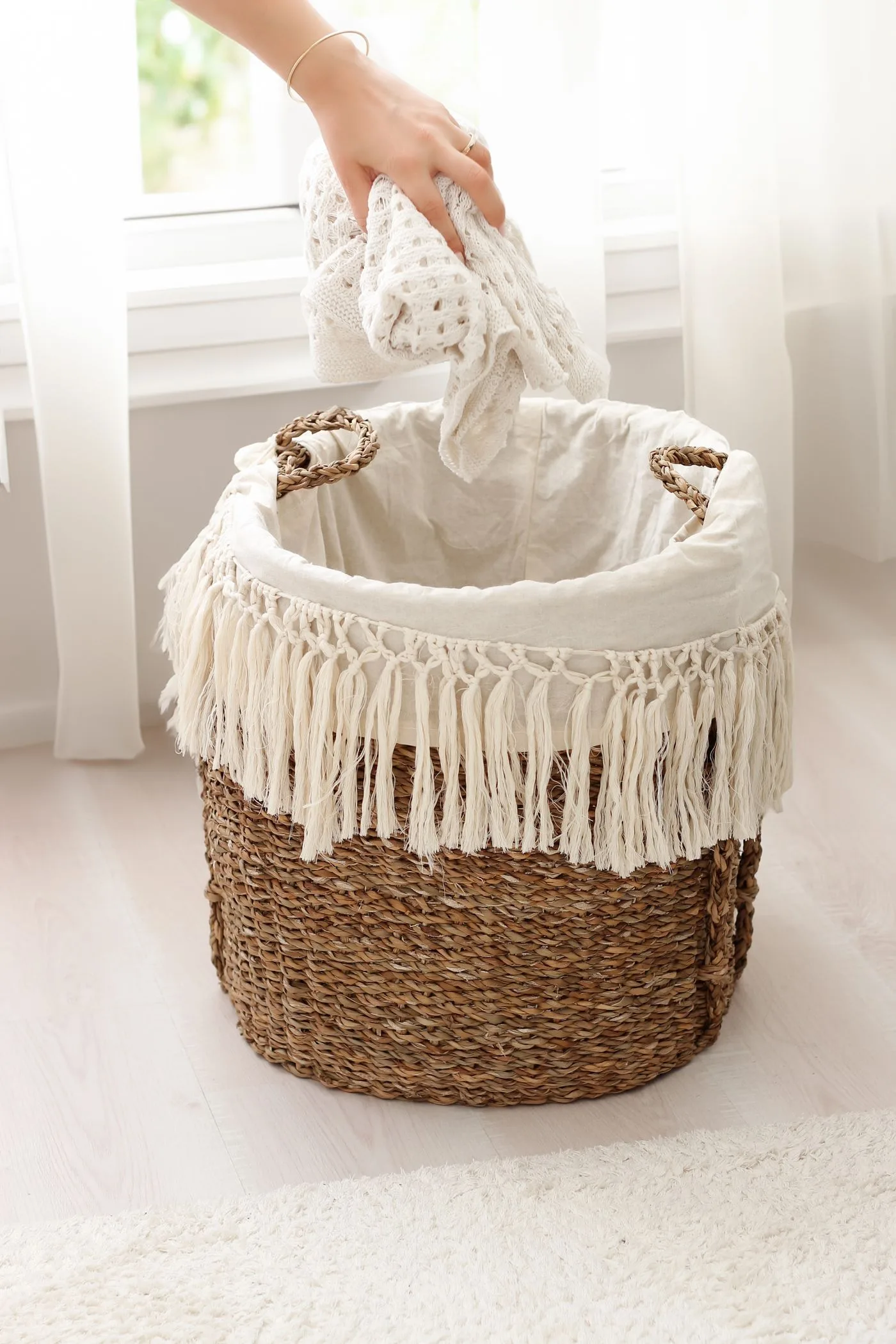
Use a small existing container or a clearly identified part of a drawer for clean unmatched items. Keep it separate from laundry still awaiting washing, and make sure the chosen arrangement suits the material and household. The place should be easy to check when the next clean load is sorted. If the container disappears behind other storage, it is likely to become another forgotten collection.
Do not buy a specialised organiser before finding out how much unmatched laundry the household actually produces. A simple temporary place may be enough. Make its purpose understandable to anyone who sorts the washing, so a helpful tidy does not scatter the items back into several drawers. Where the home is shared, agree that purpose rather than assigning a new household rule without discussion.
Follow the usual route in order
Look through the ordinary places the item passes: the owner's laundry collection, the sorting area, suitable accessible pockets or folds in other clean textiles, and the place where finished washing is put away. Search only where it is reasonable and appropriate to do so. Avoid moving someone else's private belongings without permission or emptying every storage space because one companion is missing.
The guide to a small-home laundry system can help explain the wider route. For this specific check, notice where ownership becomes unclear or a finished item changes hands. A companion found in another person's pile may point to a sorting issue rather than a need for additional baskets, labels or equipment.
Ask a useful ownership question
If several people own similar items, show or describe the actual textile and ask who recognises it. Do not assume that size or colour establishes ownership. A short group question may resolve the uncertainty more easily than attaching permanent labels to every garment. Where a photograph is used, include only the item and avoid sharing unrelated personal details visible in the background.
Keep borrowed or visiting guests' belongings identifiable. If someone left an item behind, agree how it will be returned rather than absorbing it into household storage. A clear ownership decision is more useful than finding a visually similar companion that belongs to someone else. Matching should restore a usable pair to the right person, not simply make the holding container look tidy.
Choose a realistic review point
Decide when to check the temporary collection again, using the household's normal laundry rhythm. There is no universal number of days that makes sense for every home. The useful point is after the relevant washing and sorting have had an ordinary chance to pass through the system. Mark that decision somewhere you already consult if a reminder is needed.
When the review comes, examine the actual item and its likely future use. The owner may prefer to keep it, use a suitable alternative pairing or decide that it no longer belongs in active clothing storage. Follow appropriate care and local disposal or textile-reuse guidance for the material. Avoid presenting every unmatched item as automatically useful for a craft or cleaning job it may not suit.
Replace only after clarifying the need
A missing companion may create a genuine wardrobe gap, but it may also reveal that the person already has enough suitable alternatives. Ask what function needs replacing before buying an identical-looking pack. The guide to a wardrobe gap versus a shopping mood offers a related way to make that decision. Keep any replacement connected to the actual need and the owner's preferences.
Once the uncertainty is resolved, empty the temporary place of items that no longer belong there and return useful pairs to their normal storage. If the same confusion repeatedly occurs, change the specific handover or sorting step that causes it. A small clear check should reduce the household's unfinished decisions, rather than adding another basket that everyone has learned to ignore.
Editorial & photography notes
Practical editorial guidance for ordinary situations. This article does not claim product testing or report current offers. Follow the relevant maker’s instructions for the items you use.
Illustrative stock photograph by Kader D. Kahraman / Pexels: photo source. This scene does not identify our author or establish a product test.