Choosing shoes becomes unnecessarily difficult when one is beside the door and its partner is beneath a chair. Before adding another storage unit, make the pair the basic returning action. The useful routine is small: bring both shoes together, check their condition and place them where their next use is clear. This is different from arranging every pair attractively. A cupboard can look tidy while still hiding the footwear you need or mixing ready shoes with ones that require care before being worn again.
Follow where shoes actually come off
Notice the places where different household members remove their footwear. The intended storage may be too far from the natural arrival point or awkward to use while carrying bags. Choose a manageable return route rather than expecting everyone to remember an elaborate sequence. If shoes are removed in several rooms, gather one current group at a time. Avoid turning a small pairing task into an immediate inspection of the whole wardrobe. Start with the footwear used for ordinary days and the places it most often becomes separated.
Check the pair before storing it
Look at both shoes together and identify anything that needs attention through the maker's care guidance. A damp pair, a loose fastening or a marked surface may need a different next step from ready-to-wear footwear. Do not push every pair into the same closed space solely to clear the floor. Keep the return action connected to condition. The aim is to make tomorrow's choice easier by knowing what is ready, not to hide today's unfinished care task until the next rushed departure.
Give ready pairs a clear position
Choose storage where the current everyday pairs can be identified and removed normally. Keep each pair together in a way that suits its shape and care needs. Avoid compressing footwear or forcing it into a decorative arrangement that could damage it. You do not need every pair facing in exactly the same direction if another suitable position makes better use of the space. The practical test is whether you can recognise and retrieve both shoes without moving several unrelated belongings first.
Keep the floor route usable
Consider the space in front of the storage as well as the shelves or rack itself. Shoes waiting to be put away can spread into the doorway or the path to a bench. Choose a contained temporary place only if there is a clear next action and it remains appropriate for the household. Do not use the walking route as an overflow area. If the current group will not fit, reduce what lives at the entrance rather than solving the problem by creating another line of shoes beside it.
Separate care-needed footwear visibly
Give shoes awaiting attention a suitable place that does not imply they are ready for the next outfit. Keep any care materials according to their own instructions and use the appropriate process for the footwear. A small reminder can be useful if an item needs professional repair or replacement, but avoid leaving a growing collection without decisions. Once the task is complete, return the pair to its normal group. The distinction should help you act, not create a permanent second storage category nobody reviews.
Choose the outfit from the usable group
When getting dressed, start with the footwear that suits the day's actual walking, setting and weather. Seeing both shoes together makes that choice more realistic than remembering a pair that may not be ready. Try them with the intended hem and layers where needed. If the suitable pair changes the outfit, adjust the clothing rather than choosing an uncomfortable alternative solely to preserve the first idea. A practical storage routine supports dressing because it reveals the real options available that morning.
Make the return simple for everyone
If the storage is shared, agree how each person identifies their current pairs and what happens when space becomes crowded. Avoid a system that requires one person to rearrange everyone else's shoes after each arrival. Positions should be reachable and understandable to the people using them. A simple grouping can work better than detailed labels if the household naturally recognises the pairs. The routine succeeds when returning shoes is an ordinary action, not an organising performance that depends on constant supervision.
Review the pairs that remain untouched
Occasionally notice which footwear occupies the easiest space without being used. Some pairs are intentionally occasional, but they may belong elsewhere so the daily group stays accessible. Make those decisions deliberately rather than removing items simply because they are not part of the current week. The useful outcome is a clear set of ready pairs and a manageable route for everything needing care. You should be able to choose shoes for the day without beginning with a search for the missing half of the decision.
Continue the practical edit
Related reading: A Better Fit Checklist for Shoe Shopping, Organize a Closet Before Buying Organizers.
Editorial & photography notes
Practical editorial guidance for ordinary situations. This article does not claim product testing or report current offers. Follow the relevant maker’s instructions for the items you use.
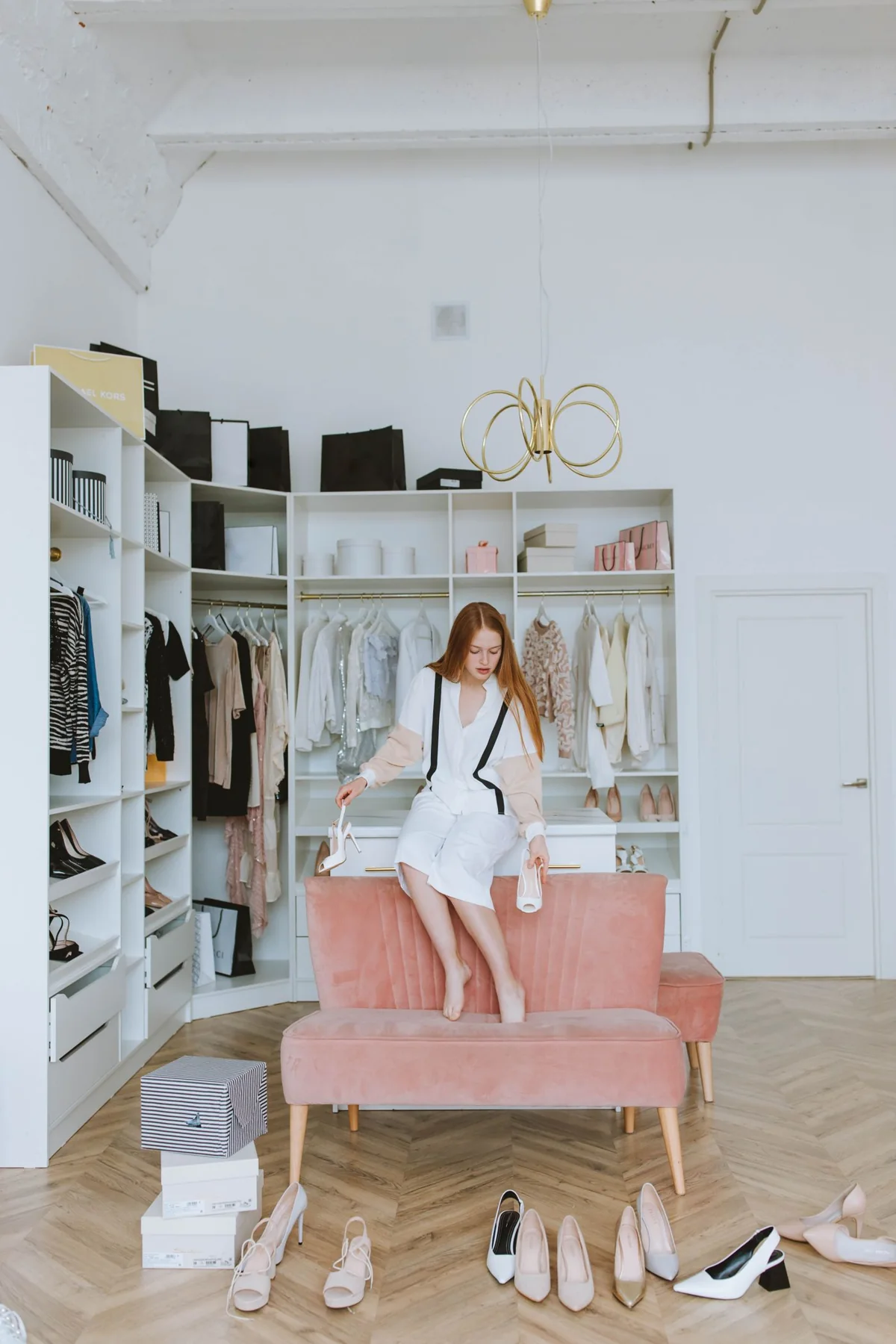
Illustrative stock photograph by Anastasia Shuraeva / Pexels: photo source. This scene does not identify our author or establish a product test.