
A recipe note becomes useful when it explains a real decision you made while cooking. It becomes confusing when an altered quantity, missing step or casual substitution quietly replaces the original instructions. Keep the source recipe identifiable and record personal changes separately. That way, the next attempt begins with a clear distinction between the author's method, an adjustment you tried and something you merely wondered about. A small note can preserve that distinction without creating a complicated recipe database.
Identify the source before adding a change
Record the recipe's title and enough source information to find the same version again. For a book, that might include the author, edition and page. For a website, keep the actual page address and title rather than only a search phrase. Online content may change, so do not assume that an undated note and a later page necessarily describe identical instructions.
Keep any personal copy within the source's permitted use and avoid redistributing someone else's full recipe text or photographs without permission. A private annotation does not establish the right to republish the original material. If you plan to share your own cooking experience, explain your observations in your own words and direct readers to the appropriate source for its instructions.
Describe the adjustment precisely
Write what you actually changed, using the units and ingredient identities relevant to the original recipe. Replaced some flour is less useful than an accurate note about which flour and amount were involved. If you did not measure a change, say so rather than reconstructing an exact quantity from memory. An honest approximate observation is more useful than a confident invented number.
Distinguish a deliberate change from an accidental omission. Leaving out an ingredient because it was unavailable is different from deciding that you prefer the result without it. Record the reason if it helps explain the outcome. A future cook should be able to see whether you intended to repeat the adjustment or merely wanted to remember why this attempt differed from the source.
Keep safety-related instructions intact
Personal notes should not imply that an unverified adjustment is safe. Follow authoritative food-safety guidance and the relevant equipment instructions. Do not casually alter preservation methods, allergen information or other safety-critical procedures on the strength of appearance or a successful-looking photograph. When a proposed change requires expertise you do not have, choose appropriate reliable guidance rather than treating the margin of a cookbook as a place to improvise it.
Similarly, do not claim that a substitution meets another person's dietary or medical requirements without establishing the relevant facts. The note can identify what went into your own preparation, but it cannot replace checking actual ingredients, labels and the person's requirements. Keep practical preference notes separate from claims that need a different level of evidence.
Record an observable result
Describe the result in terms you can use next time. Perhaps the mixture was harder to portion, the chosen dish was inconvenient to serve from or the finished amount did not suit the planned meal. Avoid making a sweeping conclusion about a recipe from one altered attempt. A result reflects the particular ingredients, equipment and actions involved, including changes you may not have recorded at the time.
A photograph may help remind you of the appearance, but it does not establish texture, safety or the exact method. Label it with the relevant attempt if you keep several images. Do not attach an attractive image from a different preparation and later treat it as evidence of the adjustment. The record should make uncertainty easier to see, rather than hiding it behind a polished presentation.
Separate tried changes from ideas
Give untested ideas their own short heading. A suggestion to try a different serving arrangement should not look like a step you already followed. If several people use the same recipe collection, make the distinction explicit enough that another person will not mistake a brainstorming note for the agreed method. Use a removable annotation or a clearly labelled personal page where that suits the format.
The guide to a usable shared shopping list explains a related problem: shorthand that makes sense to its author may leave another person guessing. For recipes, retain the original wording where you need to consult it and write personal observations beside it in a visibly separate form. A long combined rewrite can lose the origin of each instruction.
Review the note before the next attempt
Read the original instructions again and decide which recorded change, if any, you intend to repeat. Remove an abandoned idea from the active plan or mark it clearly as something not to follow. The kitchen landing-surface guide can help keep the practical workspace ready, while the recipe note keeps the information clear. The purpose is not to document every meal. It is to make a particular recipe easier to understand the next time you choose to cook it.
Editorial & photography notes
Practical editorial guidance for ordinary situations. This article does not claim product testing or report current offers. Follow the relevant maker’s instructions for the items you use.
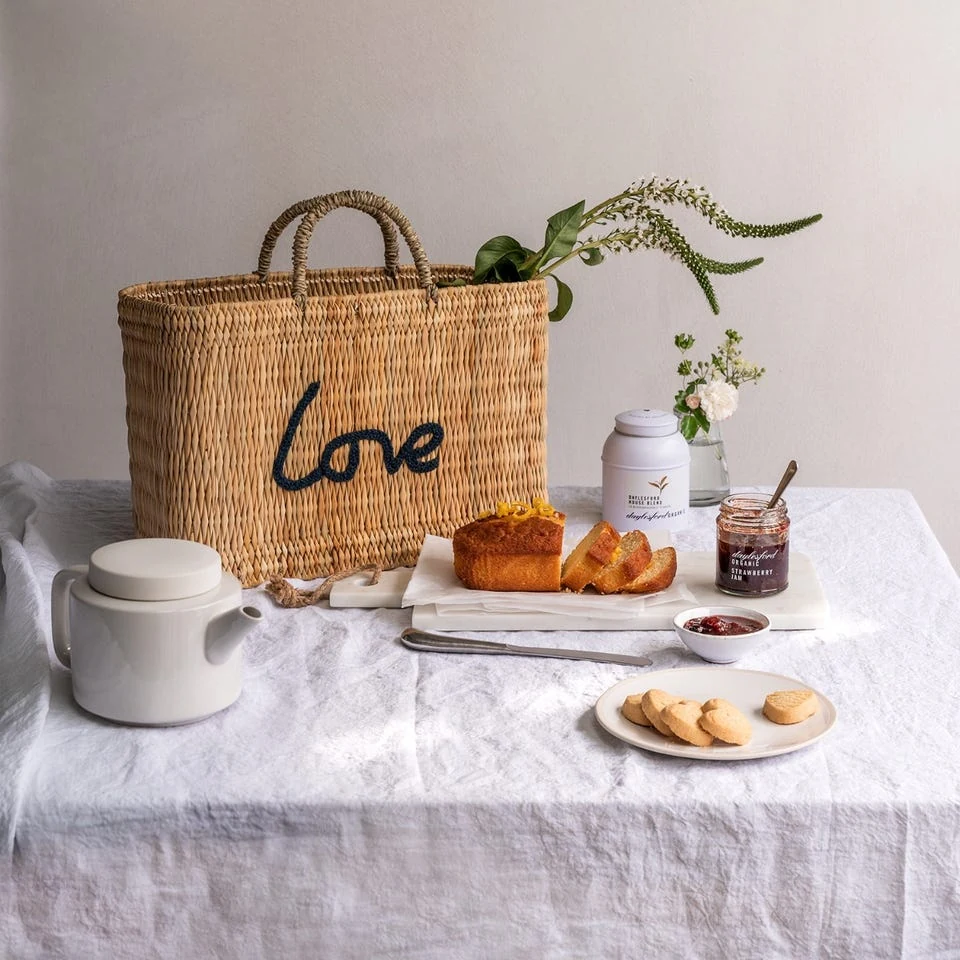
Illustrative stock photograph by Sosey Interiors: photo source. This scene does not identify our author or establish a product test.