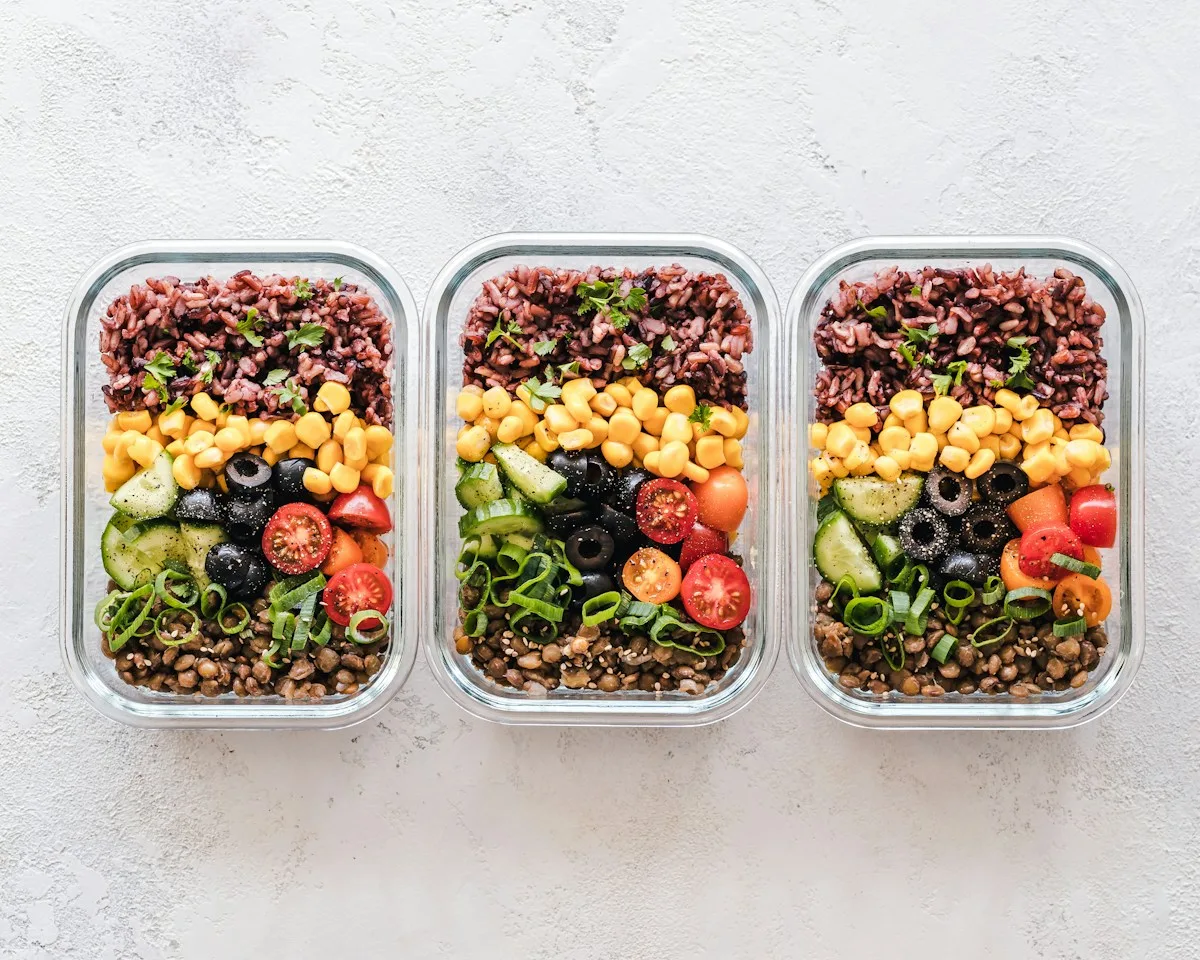
A new packed-lunch routine can make a coordinated container set look like an obvious first purchase. The useful equipment depends on more than its appearance. What you intend to eat, how it will travel and what facilities are actually available all shape the decision. Start with those facts before choosing a box. The aim is a manageable routine with suitable equipment, rather than a cupboard full of containers bought for lunches you do not usually prepare.
Describe an ordinary lunch day
Think through the actual sequence from preparing or collecting the meal to carrying it, storing it, eating it and bringing the equipment home. Include the bag or transport method you already use. A short walk with a separate lunch bag and a crowded commute inside a work bag create different practical demands. Do not assume that a product photograph demonstrates how a filled container will behave on your journey.
Confirm the facilities at the place where you expect to eat. Access to storage, washing or reheating should be checked rather than inferred from another person's workplace or an old routine. If facilities are shared, learn the relevant rules and practical limits. An appliance being present does not automatically mean every container or food can be used with it.
Let the actual food shape the equipment
Choose a realistic meal you already know how to prepare or obtain appropriately. Consider whether its components need to remain separate for the way you want to eat it and whether utensils are required. Avoid designing a complicated menu solely to fill each compartment of a new box. A simpler meal may work with suitable equipment you already own.
Follow current authoritative food-safety guidance for the particular food, journey and facilities. A container's attractive appearance or a tight-looking lid does not establish appropriate temperature control or storage conditions. If you cannot meet the relevant requirements, change the meal or arrangement. This equipment decision should support safe food handling, not replace the guidance needed to plan it.
Check the manufacturer's stated uses
Read the instructions and markings for the exact product. Materials, lids and seals may have different care or use requirements, even within one set. Confirm any relevant restrictions on heating, cooling, washing and contact with food. Do not infer a function from the word meal-prep or from a photograph that shows a container near an appliance.
Keep the instructions findable if the routine depends on a particular supported use. A household member who borrows a container should not have to guess what its material permits. Where a label or marking is unclear, ask the manufacturer or choose another suitable option. An uncertain container is not improved by treating it as interchangeable with a familiar one of similar shape.
Consider the filled shape inside the bag
Compare the container's actual outside dimensions with the bag space available. Include any necessary protective arrangement, utensils or other equipment rather than measuring the empty box alone. Think about how it will be placed and retrieved without crowding unrelated belongings. Do not rely on flexible sides or a strained zip to make a combination work.
Check any claimed spill resistance against the manufacturer's actual information and use the product as directed. A separate suitable arrangement may be necessary for a particular food or journey. Avoid making an unverified leakproof claim from your own visual inspection. If the planned meal is inconvenient to carry in the available equipment, reconsider the meal as well as the shopping list.
Make ownership and washing manageable
In a shared kitchen or workplace, use an appropriate non-damaging way to identify your equipment where needed. Keep components associated with the correct container; visually similar lids may not be interchangeable. Before buying extras, check which complete suitable sets already exist at home. A collection of unmatched bases and lids may need a clear decision rather than another identical-looking purchase.
The guide to a usable shared shopping list can help if someone else is buying the equipment. Give them the actual model or requirements rather than a vague request for lunch boxes. Discuss the return and cleaning routine too. Equipment that is difficult to care for in the actual household may not support the habit you want to establish.
Begin with enough for the routine you have
A large matching collection is not automatically more useful than one appropriate complete set. Consider how often equipment can realistically be cleaned and returned to use, following its care requirements. Buy additional pieces only when there is a clear need they will meet. Keep the decision separate from the appeal of a photograph showing a perfectly organised week.
The kitchen landing-surface guide offers a related way to keep preparation space usable. After trying the routine, identify a concrete difficulty before changing equipment. Perhaps the meal needs fewer components, the bag is unsuitable or a facility you expected is unavailable. A useful packed-lunch kit grows from those real conditions, with food guidance and product instructions remaining part of the plan.
Editorial & photography notes
Practical editorial guidance for ordinary situations. This article does not claim product testing or report current offers. Follow the relevant maker’s instructions for the items you use.
Illustrative stock photograph by Stock photographer: photo source. This scene does not identify our author or establish a product test.