Secondhand shoe photographs should help another person understand the actual pair being offered. A flattering outfit image can show a styling idea, but it rarely explains condition, markings or what is included. Before taking pictures, decide which views answer those practical questions and which details need a plain written explanation. The goal is an accurate record of your own shoes, rather than a polished image that makes ordinary wear difficult to see.
Confirm which pair the photographs describe
Keep both shoes together and verify that the pictures show the pair you intend to offer. Similar colourways or another pair from the same brand should not be used as a substitute. Where product identity matters, consult the actual markings and information you legitimately have. Do not infer a model name, material or special feature merely because a search result looks similar.
Check the current requirements of the service you intend to use before preparing a listing, including any relevant rules about photographs and descriptions. This guide does not establish a particular platform's terms or provide authentication. If you cannot support an important identity or condition claim, keep the uncertainty explicit rather than using a confident label to make the item easier to present.
Prepare the shoes without concealing condition
Follow the actual care instructions for the material and product. Do not apply an unfamiliar treatment just to improve the photographs, and do not alter a surface in a way that hides a relevant defect. If you have carried out a repair or treatment that a prospective buyer should know about, describe it accurately. A photograph records appearance; it does not guarantee performance or remaining life.
Keep the pair in its real current condition for the whole session. Avoid using an older attractive photograph as though it shows how the shoes look now. If an earlier image is genuinely useful for context, identify it separately and make sure the current condition remains clear. The main record should not require another person to guess which version of the item is being offered.
Take an overall view before close details
Use a straightforward view that shows the complete pair, with enough surrounding space to understand the shape. Choose ordinary suitable light that makes the actual colour and surface reasonably visible, while recognising that screens and lighting can affect appearance. Avoid claiming an exact colour match from a photograph. If the named colour is known from reliable product information, distinguish that name from your own visual description.
A simple background often makes condition easier to see than a busy outfit arrangement. You do not need to build a decorative scene or buy photography props. Keep the framing focused on the shoes and remove unrelated personal information from the area. A mirror, label or paper in the background can reveal more about the household than the listing needs.
Show the relevant surfaces of both shoes
Include the views needed to describe the actual pair's visible condition, rather than photographing only its most flattering side. Look at the uppers, heels, soles and any relevant fastenings or interior markings you can appropriately show. Do not assume one shoe represents the other; wear can differ between them. Keep close views sharp enough to make the intended detail understandable.
Explain what cannot be established visually. A sole photograph does not prove how the shoe will perform, and a close-up of a label does not verify authenticity by itself. Do not turn an absence of obvious damage into a promise that the pair has no defect. Describe known issues honestly and avoid making claims beyond the information you can support.
Use styling photographs only as additional context
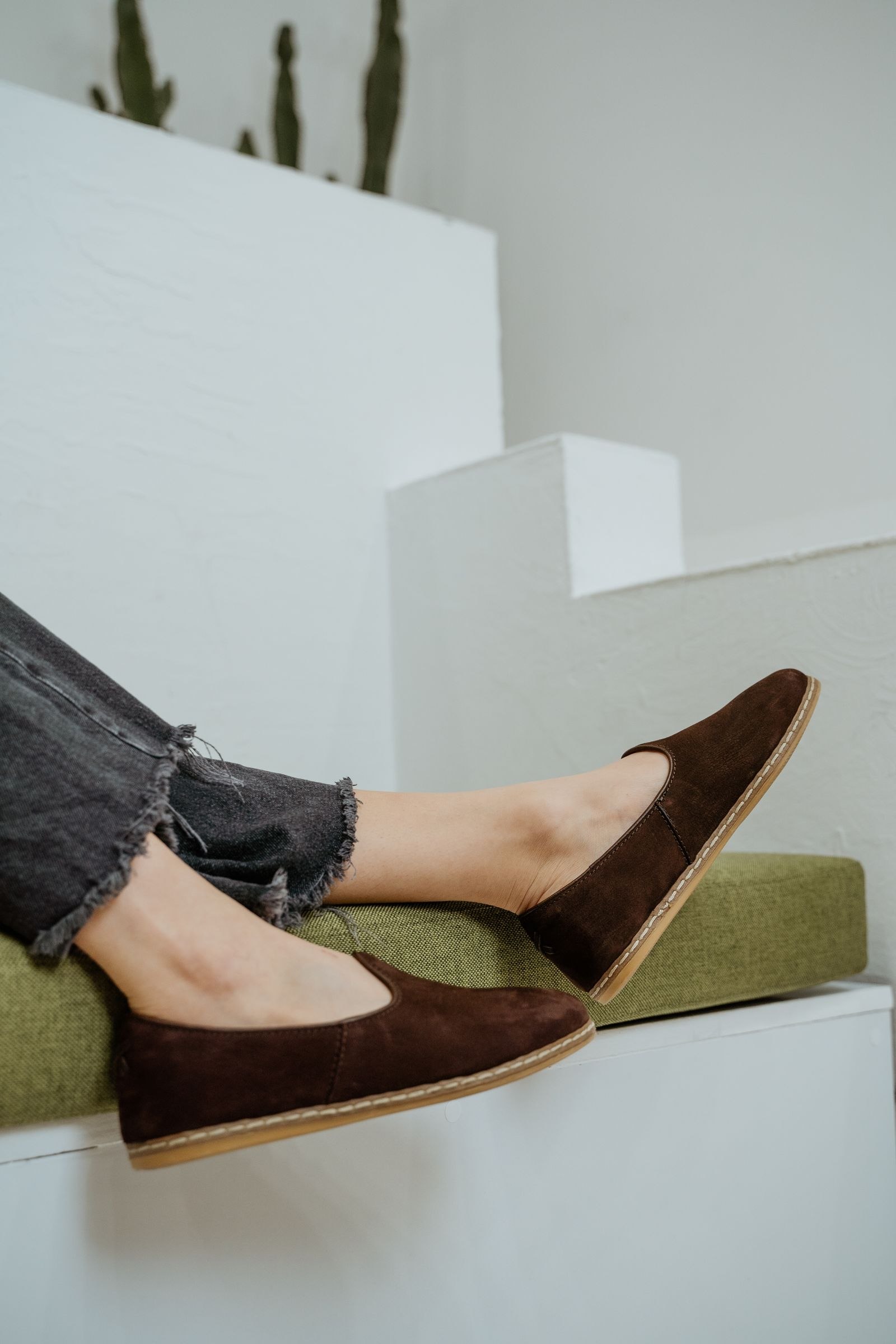
If a worn outfit image is included, make its role clear. It can show one way the shoes look with clothing, but it should not replace the condition views or imply that they will fit another person. Avoid giving fit guarantees based on your own experience. Size markings and any accurately obtained measurements should be described according to what they actually establish, with relevant uncertainty retained.
The guide to a practical shoe-shopping check offers a related way to separate appearance from a person's own requirements. A secondhand presentation should leave that decision with the person considering the pair. Do not claim that an attractive outfit photograph demonstrates comfort, suitability for a particular activity or a universal fit.
Show what is included and protect private details
Photograph any box, accessories or other items only if they are actually included and relevant. Do not imply that original packaging is present when the box belongs to another purchase. If paperwork contains private information, avoid exposing it in the frame. Provide whatever relevant information is appropriate through the chosen service's supported process, following its current guidance.
Review the complete photo set beside the written description before using it. Check that the pair, visible condition and included pieces agree throughout. The guide to returning shoes as pairs offers a simple reminder to keep associated items together while preparing. Keep the final presentation clear, accurate and proportionate, so someone can assess the actual shoes without being distracted by styling or misled by an incomplete view.
Editorial & photography notes
Practical editorial guidance for ordinary situations. This article does not claim product testing or report current offers. Follow the relevant maker’s instructions for the items you use.
Illustrative stock photograph by Alp Yıldızlar: photo source. This scene does not identify our author or establish a product test.