Reusable table decorations can save a later gathering from becoming another shopping project. Their usefulness depends on whether you can find the pieces, understand what belongs together and recognise anything that should no longer be used. A box filled quickly after dinner may contain all the right objects but none of that information. Pack the decorations with a short note while the arrangement is still familiar, keeping the record practical rather than trying to preserve an entire evening in storage.
Separate reusable pieces from temporary materials
Begin with the objects that actually have a future purpose. A suitable reusable holder, a length of ribbon in good condition or a set of place-card stands may earn storage space. Do not automatically keep every leftover piece simply because it once appeared on the table. Handle waste and materials according to their relevant guidance, and avoid storing used food-related items as though a decorative box makes them ready for another occasion.
Follow the manufacturer's care and handling instructions for the particular materials. Glass, finishes, textiles and electrical or flame-related products should not be treated as one interchangeable category. Let appropriate cleaning and drying happen before packing. Where an object is damaged or its safe condition is uncertain, resolve that uncertainty rather than hiding it at the bottom of a box for the next host to discover.
Count the pieces in a useful way
Write the actual quantity of each recognisable item. Six small clear holders is more informative than table accessories. If a set includes different sizes, record them separately where the distinction matters. Do not guess the count because the original packaging promises a particular number. The inventory should describe what is currently being put away, including any missing or removed pieces.
Identify borrowed items before they enter storage. A friend's vase or a relative's serving piece needs to go back according to the agreed arrangement, not become part of the household decoration collection by accident. Keep the return information separately from a permanent inventory if it contains personal details. Confirm the return rather than assuming that placing something by the door completes the handover.
Record the assembly you would forget
If several parts fit together, make a simple labelled reference while they are still assembled correctly. Follow the item's instructions and retain the relevant paperwork. An ordinary photograph can show which pieces belong together, but it should not replace a required assembly or safety instruction. Avoid relying on a dim photograph in which the important join or fastening is hidden by flowers or table linen.
Record only what helps the next setup. You may need to know which base belongs to a stand or which ribbon length fitted a particular reusable piece. You probably do not need a detailed reconstruction of every place setting. A short note that can be read while unpacking is more likely to help than a large album whose relevant image is difficult to find.
Pack for the material and the storage place
Use suitable protection for fragile objects and follow any storage requirements supplied with the product. Keep heavy pieces from pressing on delicate ones. Do not assume a decorative container is suitable for long-term protection simply because everything fits inside it. Consider the actual shelf, the way the box will be lifted and the conditions of that storage place.
Keep small associated parts together in an identifiable way without applying labels or adhesive where they may damage the object. Put the inventory where it can be consulted without unpacking every layer. A label should describe the contents rather than merely naming a past event. Winter dinner decorations may become irrelevant wording when the same plain holders are useful for a completely different gathering.
Note the limitations of the collection
Record any practical limit that would otherwise lead to a mistaken plan. There may be fewer matching pieces than the next guest list requires, or an item may need a particular supported arrangement that your table does not always provide. State the limitation plainly. Do not let an attractive photograph suggest that you own a larger or more complete set than the box contains.
The guide to hosting with what you already own offers a useful starting point for the next event. Read the inventory before shopping, then decide whether a simpler setting would work. A gap in a decorative set does not automatically require a replacement purchase. The table can often use fewer repeated elements without losing its purpose.
Update the note when the box is opened again
Check the actual contents before using them and revise the inventory if anything has changed. Do not treat a previous packing note as proof that an item remains suitable. Once the gathering ends, return the useful pieces to a clear arrangement and remove an old note that contradicts the new contents. The simple table-setting guide can help keep decorations in proportion. Storage works best when it supports another real meal, rather than preserving a collection no one is willing to unpack.
Editorial & photography notes
Practical editorial guidance for ordinary situations. This article does not claim product testing or report current offers. Follow the relevant maker’s instructions for the items you use.
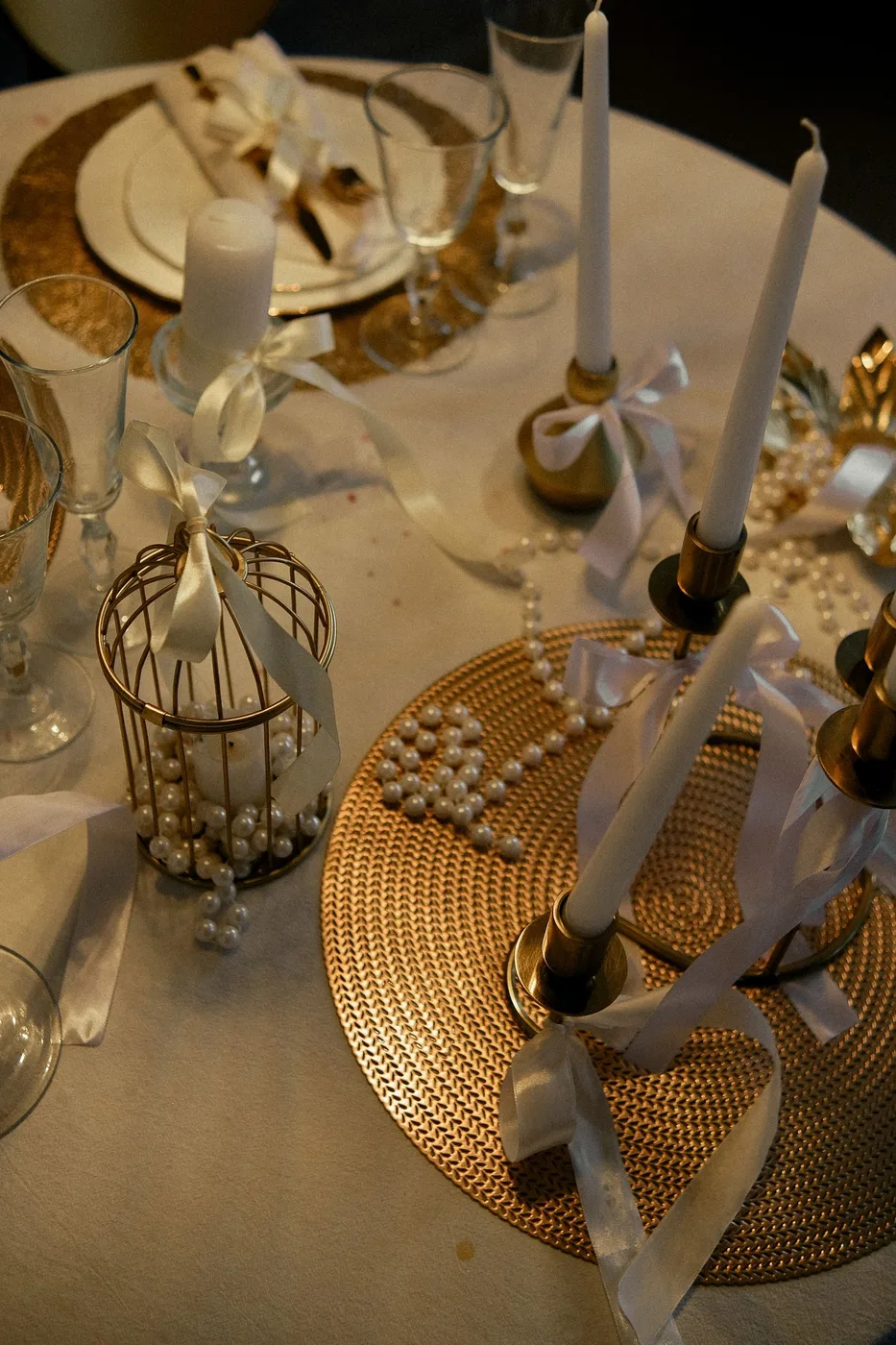
Illustrative stock photograph by Kseniya Budko / Pexels: photo source. This scene does not identify our author or establish a product test.