A shared picnic can involve plenty of generosity and still produce an awkward collection of things. Several people may bring bread, while everyone assumes someone else is bringing the means to serve it. The answer is not to organise every mouthful. Give the group one clear contributions list that distinguishes an offer from an agreed item and includes the practical equipment needed to use what arrives. Keep the plan easy enough that people will actually read it.
Describe the gathering before assigning contributions
Tell participants where the picnic is intended to happen, the likely shape of the gathering and what has already been agreed. A stop during a walk asks different things of a bag from an afternoon near a convenient meeting point. Check the relevant venue's current rules where necessary. Do not assume that a photograph of a picnic confirms permission to gather, cook, use a table or leave belongings at the chosen place.
Ask people what they would like to contribute rather than immediately distributing a rigid shopping list. One person may prefer to bring something ready to share; another may be able to carry a blanket or serving equipment. Record only the arrangement people have accepted. Silence in a group conversation is not confirmation that an item has been covered.
Keep food preferences separate from guesses
Invite participants to communicate relevant food requirements directly, and avoid inferring them from previous meals or someone's appearance. Share only the information needed to arrange the gathering, with the person's agreement. A vague label such as suitable for everyone should not replace accurate information about the actual food. Where an allergy or another important requirement is involved, the people responsible should resolve it explicitly using appropriate reliable guidance.
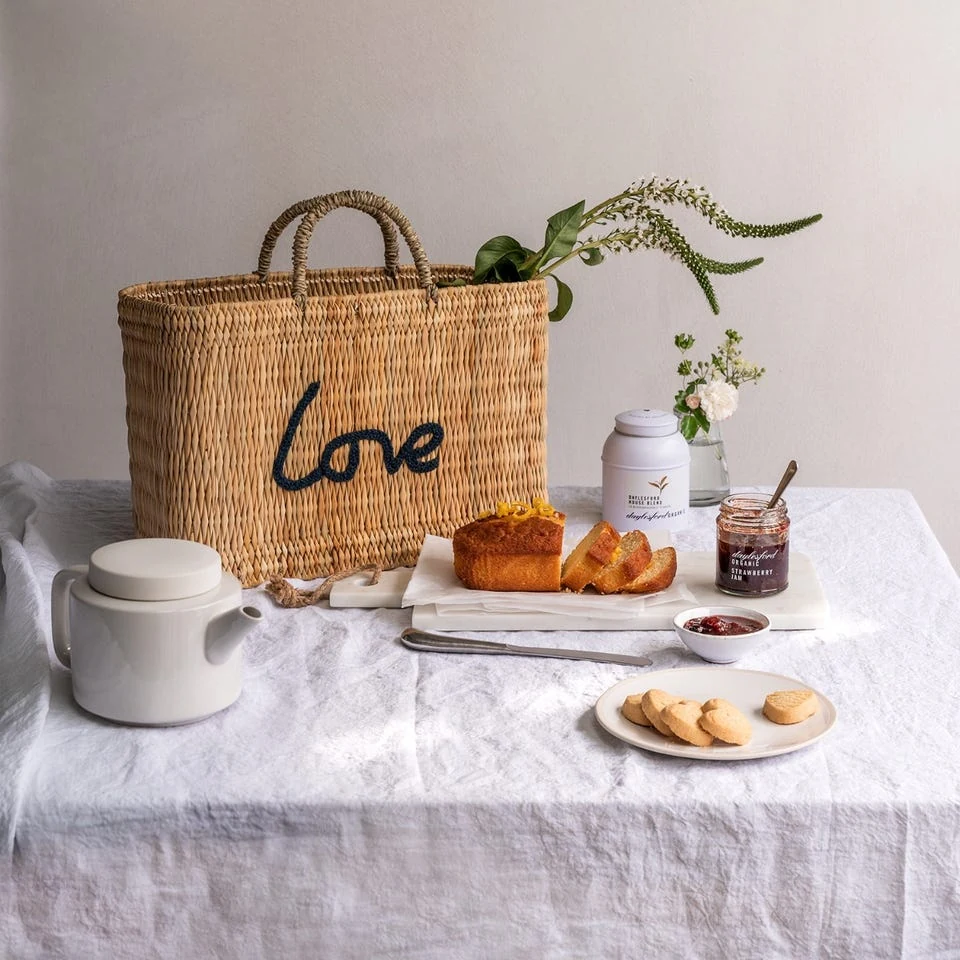
This list coordinates contributions; it is not a substitute for food-safety advice. Follow current authoritative guidance for preparation, storage, transport and serving, taking the particular food and conditions into account. If the group cannot meet those requirements, change the menu or arrangement. Do not use an attractive basket or reusable container as evidence that a particular food can travel safely in it.
Name the thing and the person bringing it
Write contributions in plain language with the agreed person's name beside each one. Distinguish a general suggestion from a confirmed commitment. If someone offers fruit, clarify whether it is ready to serve or needs preparation and equipment at the meeting point. The useful detail is whatever prevents a predictable misunderstanding, rather than a long specification for every ingredient.
Our shared shopping-list guide explains how to make an item understandable to another person. Apply that idea to the picnic without turning it into a second household shopping system. Keep a single current list and mark changes where the group already looks, instead of spreading contradictory updates across private messages and an old document.
Include serving and clearing equipment
Look at what the agreed food actually requires. Serving utensils, cups, napkins or a suitable way to collect used items can be overlooked because they feel less interesting than the menu. Assign them explicitly where they are needed. Do not ask everyone to bring a complete set just in case; that can create a bulky collection that no one wants to carry home.
Identify borrowed equipment and anything that should return to a particular person. An ordinary note such as blanket belongs to Maya may be enough. Agree how used containers and leftovers will be handled in line with relevant food guidance and the venue's rules. The gathering should not end with one person unexpectedly responsible for a mixed pile of everyone else's dishes.
Leave a way to change the plan
Give people a clear way to say that they can no longer bring an agreed contribution. A prompt update is more useful than an apology after arrival. Decide which items are essential to the existing plan and which can simply be omitted. The absence of an optional cake need not trigger a rushed replacement purchase, while the loss of necessary serving equipment may call for a different menu.
Consider a weather alternative before participants prepare or pack their contributions. This may mean changing the venue, postponing or cancelling, subject to the actual arrangements. Avoid promising an indoor substitute that has not been agreed. A smaller gathering with a clear plan can be easier for everyone than a complicated rescue operation.
Close the list after the picnic
Confirm that borrowed pieces have gone back to their owners and that the meeting place has been left as required. If a recurring group wants to retain a useful equipment list, remove temporary personal information that no longer serves the plan. The small dinner-party guide offers a related approach to starting with available resources. A clear picnic list should make sharing easier, then finish its job when the gathering ends.
Editorial & photography notes
Practical editorial guidance for ordinary situations. This article does not claim product testing or report current offers. Follow the relevant maker’s instructions for the items you use.
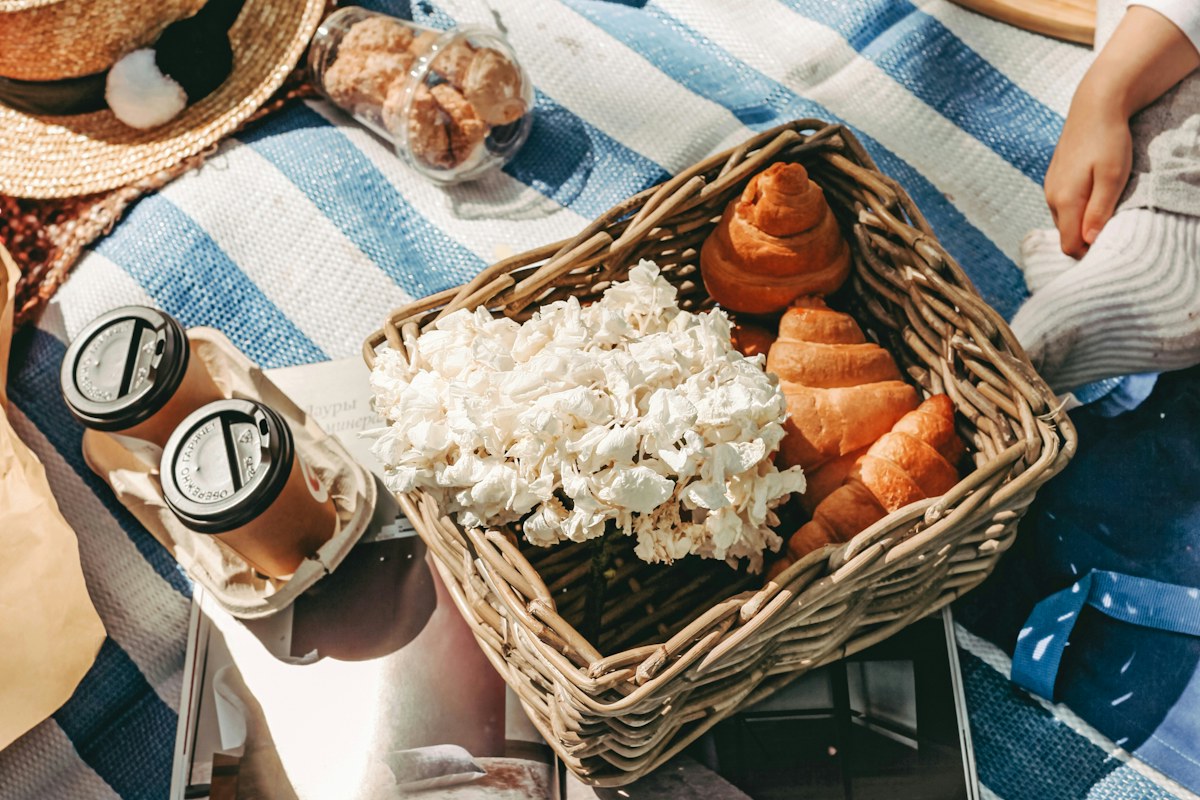
Illustrative stock photograph by Svetlana Kuznetsova: photo source. This scene does not identify our author or establish a product test.