A paper project becomes difficult to resume when the information survives but its relationships disappear. A measurement sheet sits beside a printed reference, a note has no date and two similar diagrams show different arrangements. The solution is not necessarily a larger binder or a more elaborate filing system. Give the project a first page that explains its purpose, current question and supporting papers. Another session can then begin from a clear place instead of repeating the work of identifying every loose sheet.
State the project in one usable sentence
Write a short title and the practical question being decided. Spare-room shelf layout is a more useful working title than ideas if the papers concern that specific choice. Add a sentence about what the project includes and what it does not currently include. You might be comparing the position and size of an existing item, while a larger room redesign remains outside the present task. This boundary stops every attractive reference from expanding the project before the original question has been answered.
Identify the next decision on the first page. A project may contain many unresolved details, but one usually determines what can happen next. For a household planning task, that might be confirming the available space or choosing between two arrangements already sketched. Write the question rather than an unexplained action such as sort this out. A clear question tells you what information to look for when you return and makes it easier to recognise whether a new reference is actually relevant.
Separate observations from proposals
Mark papers according to their role. A sheet recording the existing situation should be distinguishable from a proposed change. Use clear headings such as current arrangement, option A and option B, along with the context needed to understand each. If you copied a measurement or description from another source, keep that reference visible so you can check what it refers to. Do not let a rough working estimate gradually become an apparently confirmed fact merely because it has been copied neatly onto a later page.
Keep the original context with a diagram. Record what the dimensions describe, which view the drawing represents and which edges or features are included. A number beside a rectangle can be ambiguous when you return several days later. A note that says outside width of existing cabinet communicates more than width alone. This article concerns organising the information; the accuracy and suitability of any measurement or technical decision still need to be established through the relevant task itself.
Build an index small enough to maintain
Number the project pages or give them short section labels, then list them on the first sheet. An index might point to the current arrangement, the two options, the reference material and the decision notes. Use the system you can update without a separate filing session. If you expect to add loose pages, section labels may be easier than renumbering everything. If the project is small and stable, simple page numbers may be enough. The index should serve the papers rather than become another project to manage.
Write a short description beside each index entry. A label such as option A, shelf beside window is more informative than page four when two similar drawings are present. Keep the descriptions specific enough to distinguish the papers without transcribing their full content. If you remove or replace a sheet, update the entry at the same time. An index that points confidently to missing or outdated information can be more confusing than an unindexed group whose limits are obvious.
Make version differences visible
When a proposal changes, mark the revised sheet so it is clear which version is current. Keep an older version only when it serves a purpose, such as explaining why a decision changed or preserving information you may need to check. Label it accordingly and store it apart from the current working view if that helps. Do not rely on a fold, a different pen colour or your memory of which page was printed most recently to communicate the difference.
Add a brief reason for a meaningful change. A note such as moved to option B because the first arrangement blocked the drawer records the observation behind the decision. Later, that reason can prevent you from returning to the same unsuitable proposal simply because its drawing looks tidier. Keep the note factual and limited to what you established. A working paper can distinguish a confirmed observation from a question that still needs an answer without pretending that the project is more settled than it is.
Finish each session with a restart note
Before putting the papers away, update the first page with the current position and the next small step. State what you are waiting for if the project cannot move forward yet. A restart note might say compare the two remaining samples beside the existing chair, rather than continue research. The first gives a clear beginning for the next session; the second can reopen every previous decision and encourage another pile of references without bringing the project closer to a useful conclusion.
Store the project together in a suitable existing folder, clip or other arrangement that keeps the information readable and findable. Choose a visible label you will understand among the rest of your papers. When the project ends, record the final decision and keep only the references that still have a real purpose, handling anything else appropriately. A clear first page makes both active work and closure easier: it explains what the papers belong to, why they are present and which information remains current enough to use.
Related reading
Desk Essentials Without the Accessory Pileup, Choose a Journal You Will Actually Open.
Editorial & photography notes
Practical editorial guidance for ordinary situations. This article does not claim product testing or report current offers. Follow the relevant maker’s instructions for the items you use.
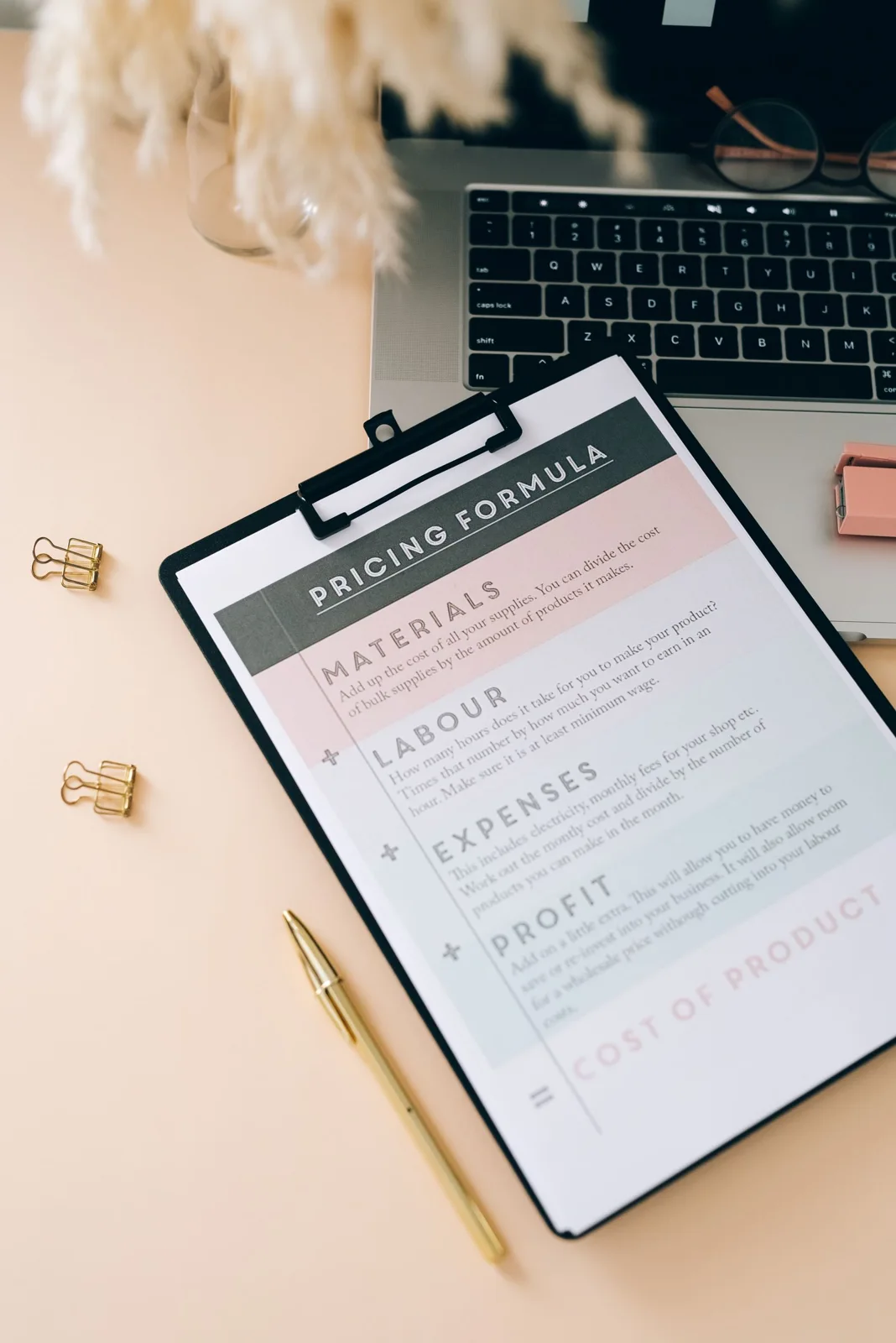
Illustrative stock photograph by Pexels: photo source. This scene does not identify our author or establish a product test.