A notebook can look inviting when closed and become awkward as soon as you try to write. The pages lift, the cover occupies more space than expected or one hand is permanently needed to hold the book open. Before choosing by colour or paper pattern, consider how you write. A notebook used at a desk has different needs from one held briefly during an outing. The useful question is whether the open page supports that task comfortably, without asking you to fight the object before every sentence.
Describe the writing moment
Think about where the notebook will be used most often and what will happen at the same time. You may write a short list beside a kitchen task, take notes during a conversation or sit for a longer journal entry. Consider the surface available and whether both hands can be free. A small book can be portable while offering too little room for your preferred writing. A larger one can feel generous at a desk and awkward in a bag. Choose for the recurring moment rather than the imagined ideal writing routine.
Open the actual notebook where permitted
If viewing in a shop, ask what handling is allowed and do not force a display or bend a binding beyond its intended use. Look at how the pages behave when opened normally. Product descriptions can provide information about construction, but the experience may still differ between designs. If ordering online, read the actual details and current return terms rather than relying on a photograph of a different notebook lying flat. Keep the assessment within the conditions the seller permits, especially before writing in a new purchase you may need to return.
Check the surface area it needs
Place the notebook on the kind of surface you will use, where practical. Include the space occupied by both sides when open, not only the closed cover. A café table or compact desk may also need to hold a cup, device or another document. Avoid choosing a format that works only when everything else is removed if that is not how you normally write. The notebook should fit the real activity. A comfortable open footprint can be more useful than the most generous page size available.
Notice the hand that holds the page
Consider whether you are comfortable using one hand to steady the notebook while writing with the other. That may be entirely suitable for a brief note and tiring during a longer session. Check the position of the page and binding relative to your normal writing hand. Do not force your posture to match the layout. Different people can prefer different arrangements, and the same notebook may suit one task better than another. The aim is your own ease, not a universal verdict about which binding everyone should choose.
Respect the construction
Follow any maker's guidance about opening and care. Do not repeatedly flatten the spine, fold the cover back or add improvised pressure simply because you want the notebook to behave like another design. If it does not remain open in the way you need, choose an appropriate alternative rather than damaging it during the assessment. A clip or other accessory may suit some setups, but it should solve a real practical need without marking pages or making the writing surface uncomfortable. More equipment is not automatically a better answer than a different book.
Include the tool you intend to use
Consider the pen or pencil that belongs to your ordinary routine and the manufacturer's information about the paper where relevant. Do not assume a visually thick sheet supports every writing material. If the seller offers a sample area or you already own the notebook, use an appropriate test within the permitted conditions. Otherwise seek clear product information and avoid making unsupported claims about performance. The useful pairing is the notebook and writing tool together. Buying an attractive cover and then replacing all your familiar tools may not support the simple habit you wanted to create.
Think about interrupted writing
Notice what happens when you pause, close the notebook and return. A suitable bookmark or built-in feature can help you find the page without leaving the book open across a busy surface. Keep the return method simple and avoid using objects that could damage the pages or binding. If the notebook travels, check how it closes and fits with the rest of the bag. The open-page decision belongs to a complete routine: take it out, write, pause, put it away and find the same place again when needed.
Choose the role rather than the promise
A notebook does not create a writing habit by itself, and a difficult opening arrangement can become one more reason not to use it. Choose a format that makes an existing task easier, then give it a clear place within that routine. If a book you already own suits occasional notes but not longer writing, keep it for the role it performs well instead of forcing it to become a journal. The successful choice is modest: the page is available when you need it, the object works comfortably and the attention can return to what you want to write.
Continue the practical edit
Related reading: Choose a Journal You Will Actually Open, Desk Essentials Without the Accessory Pileup.
Editorial & photography notes
Practical editorial guidance for ordinary situations. This article does not claim product testing or report current offers. Follow the relevant maker’s instructions for the items you use.
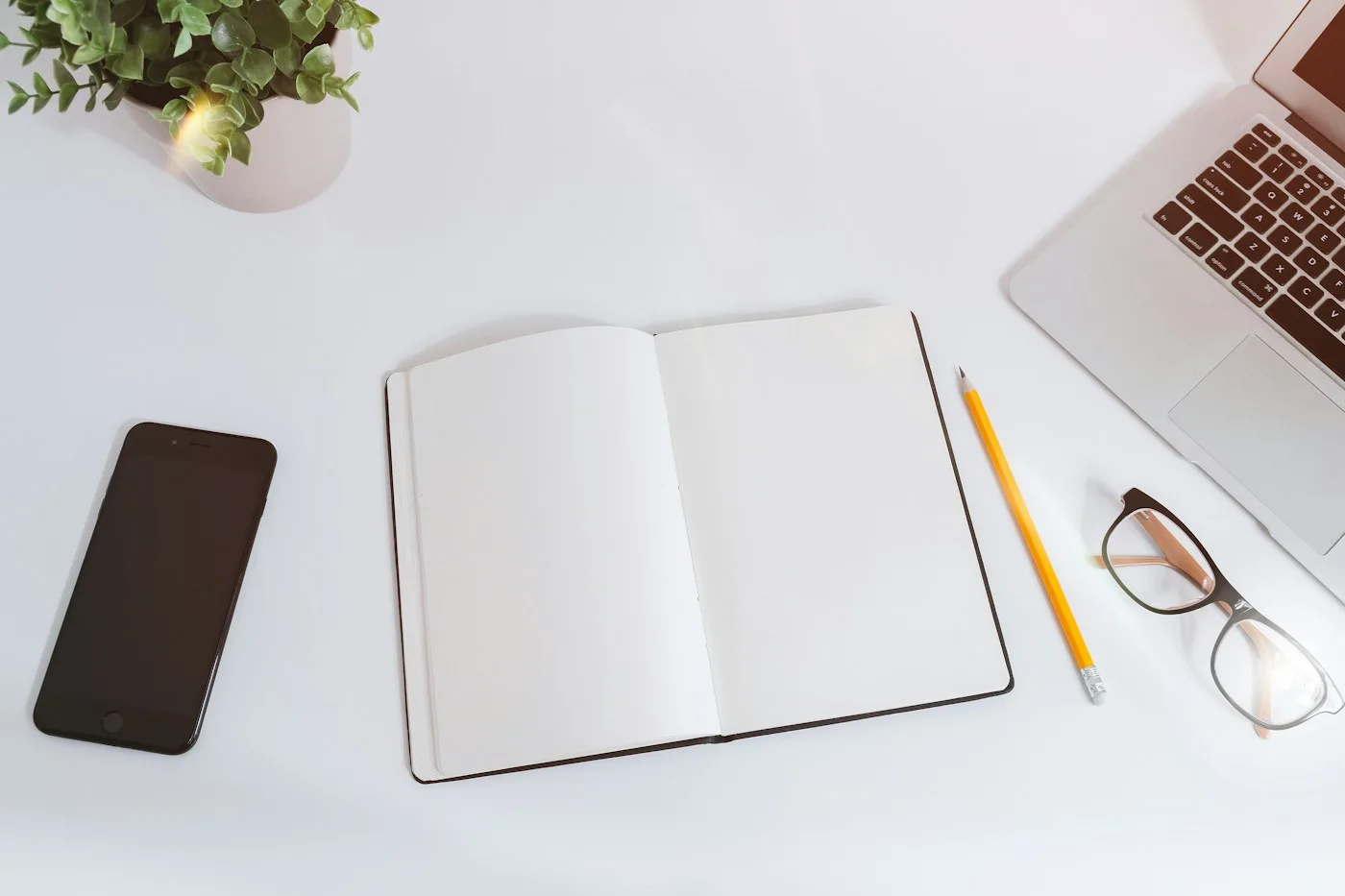
Illustrative stock photograph by JESHOOTS.COM / Unsplash: photo source. This scene does not identify our author or establish a product test.