An informal dinner does not always need assigned seats. Sometimes the simplest welcome is to let people choose. A light seating plan becomes useful when a particular arrangement would make the meal easier: someone needs a comfortable approach to the table, a host needs access to serving dishes, or several guests are meeting for the first time. Plan those relationships without assuming you must choreograph every conversation. The aim is to remove an awkward decision at arrival, not to manage the entire evening.
Start with the actual table and chairs
Look at the table in the form in which it will be used. Include the real chairs, any supported extension and the surrounding room. A product's advertised capacity does not describe the comfort of your particular place settings or the routes people need. Set out the intended pieces and consider how guests will sit down, get up and reach what is shared. Follow the furniture's instructions and do not improvise supports to add a place.
Do not infer a guest's access needs from age, appearance or a previous gathering. Where an arrangement may matter, ask the person directly and privately what would help. Keep that information limited to the practical plan. A place card should never explain someone's health or personal circumstances to the rest of the table. If the room cannot meet an important requirement, discuss a different arrangement before inviting someone into an avoidable difficulty.
Decide which positions genuinely matter
A host may benefit from a seat with a practical route to the kitchen, particularly if serving remains part of the meal. Another guest may prefer a specific chair or a position that allows them to leave without several people moving. Identify those necessary relationships first. The remaining seats may be entirely flexible. A plan with two agreed positions can be enough for a whole table.
Keep companion preferences in perspective. People arriving together may enjoy sitting beside one another, or they may welcome a different conversation. Ask where appropriate rather than assuming all couples, friends or family members want the same arrangement. Avoid making a surprise separation into a social experiment. The dinner is for the people attending, not a demonstration that a host can design the perfect mix.
Consider conversation without assigning roles
Think about whether newcomers will have an easy way into the conversation. Introductions and a little shared context often matter more than a carefully engineered seat. Do not position a talkative guest as unpaid entertainment or expect a quieter person to become sociable because of a particular neighbour. A welcoming table leaves room for different levels of participation without making anyone responsible for the evening's success.
If people do not know one another, introduce them with information they are comfortable sharing. A common interest can provide a starting point, but private work, family or relationship details should not become public conversation material merely because the host knows them. Seating can support a pleasant introduction; it cannot replace ordinary consideration for what people choose to discuss.
Make the plan visible only when useful
For a small gathering, telling people where to sit may be enough. If name cards will prevent confusion, use legible names that guests recognise and place them where they do not obstruct the setting. Elaborate holders, favours and decorative layers are optional. Try a simple folded piece of paper before buying a set of accessories for a task that may take only a moment.
The guide to a small dinner with what you own offers a broader way to keep preparations proportionate. A seating plan should fit that approach. If arranging the cards becomes more demanding than preparing a comfortable welcome, simplify it. You can communicate the few important positions directly and leave the rest to the guests.
Leave room for a change at arrival
A guest may explain a preference you did not know about, or the expected group may change. Treat the plan as a helpful starting arrangement rather than a rule that must be defended. Check that an alternative seat works for the people affected and move the setting calmly. A guest should not feel they have disrupted an elaborate system by asking for an ordinary adjustment.
If a place becomes vacant, consider whether to leave the remaining seats as they are or close a gap. Explain the simple choice where needed instead of silently moving another person's belongings. The useful decision depends on the actual group and table, not a universal rule about symmetrical settings. Conversation can remain relaxed even when the table is not perfectly balanced.
Finish the preparation and enjoy the meal
Once the necessary positions are clear, stop refining the plan. The weeknight table guide can help keep the setting manageable alongside the seating. Notice afterwards whether one practical change would help next time, such as a different host position or fewer objects between guests. Keep that useful observation and let the rest of the evening remain an experience, rather than turning each conversation into a result to evaluate.
Editorial & photography notes
Practical editorial guidance for ordinary situations. This article does not claim product testing or report current offers. Follow the relevant maker’s instructions for the items you use.
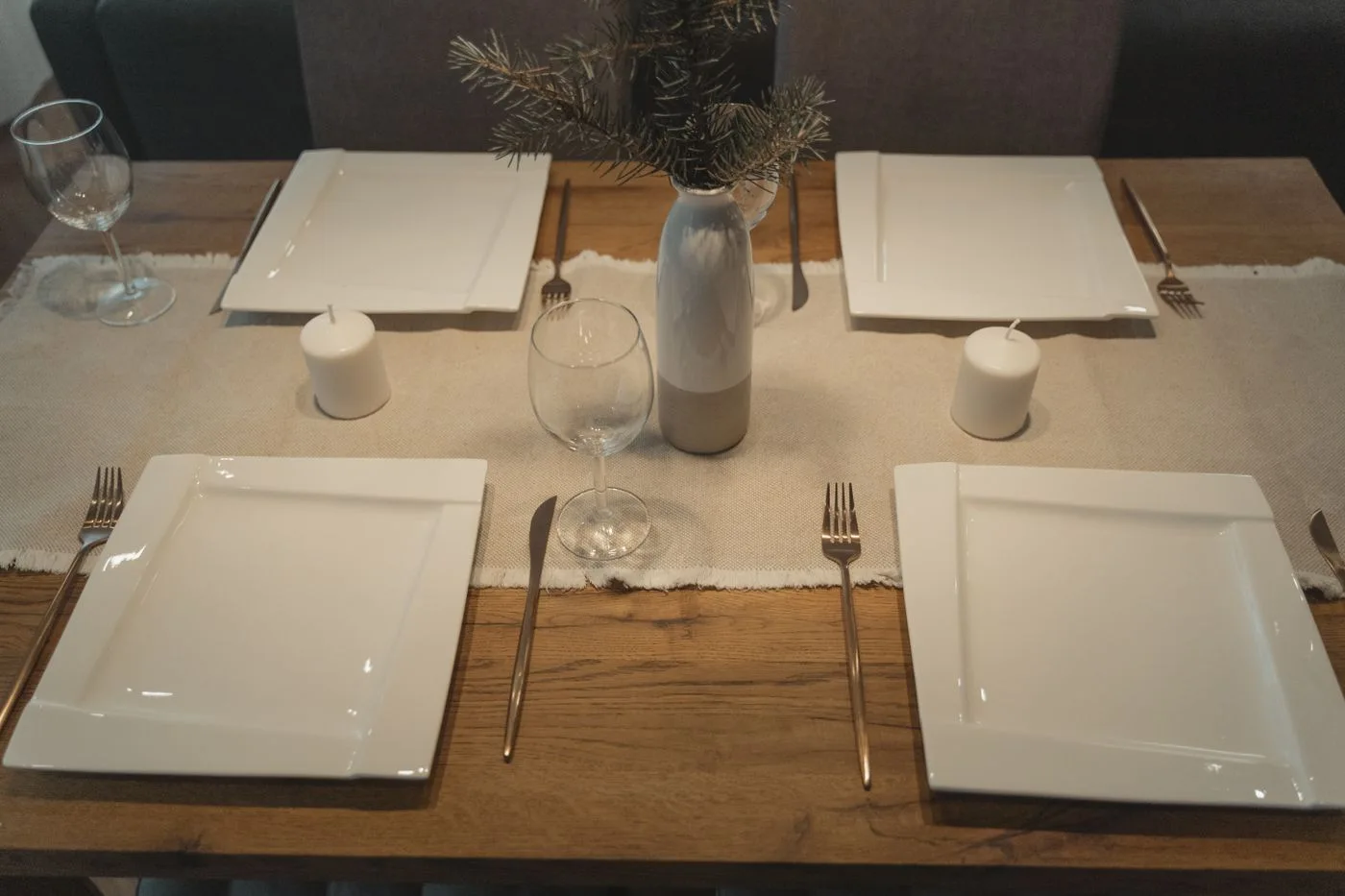
Illustrative stock photograph by Tima Miroshnichenko / Pexels: photo source. This scene does not identify our author or establish a product test.