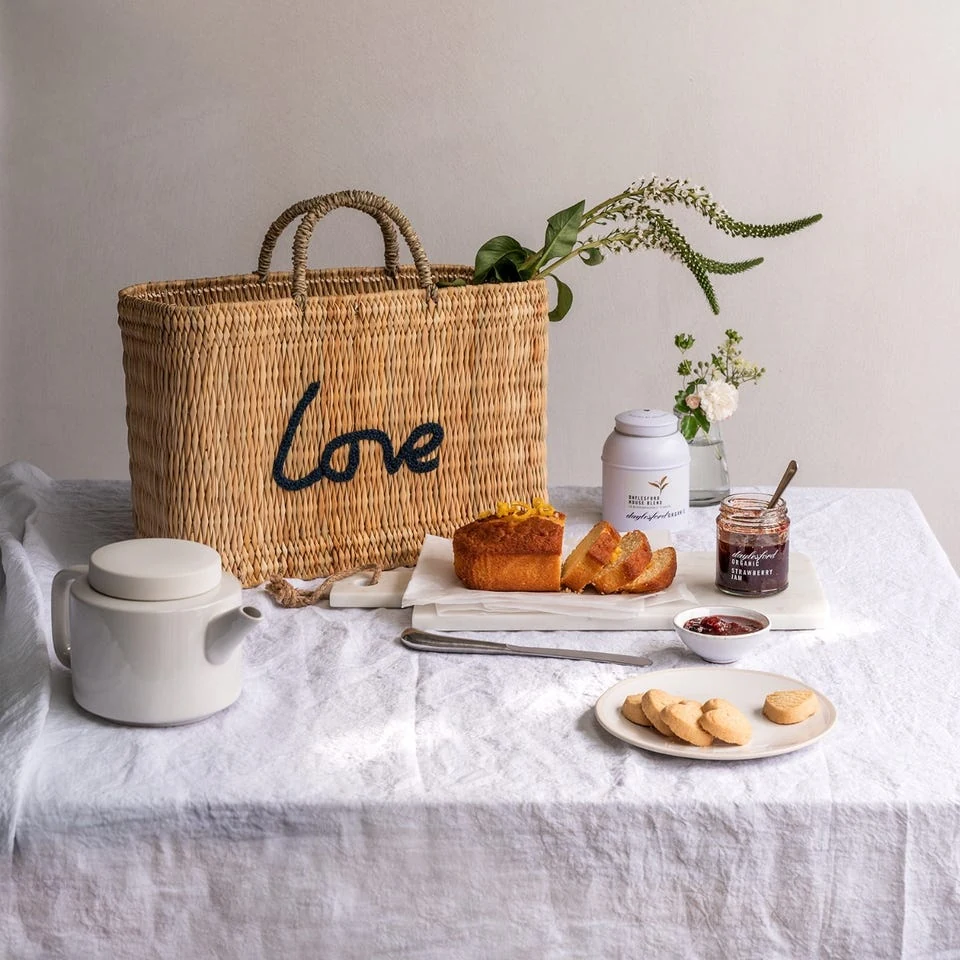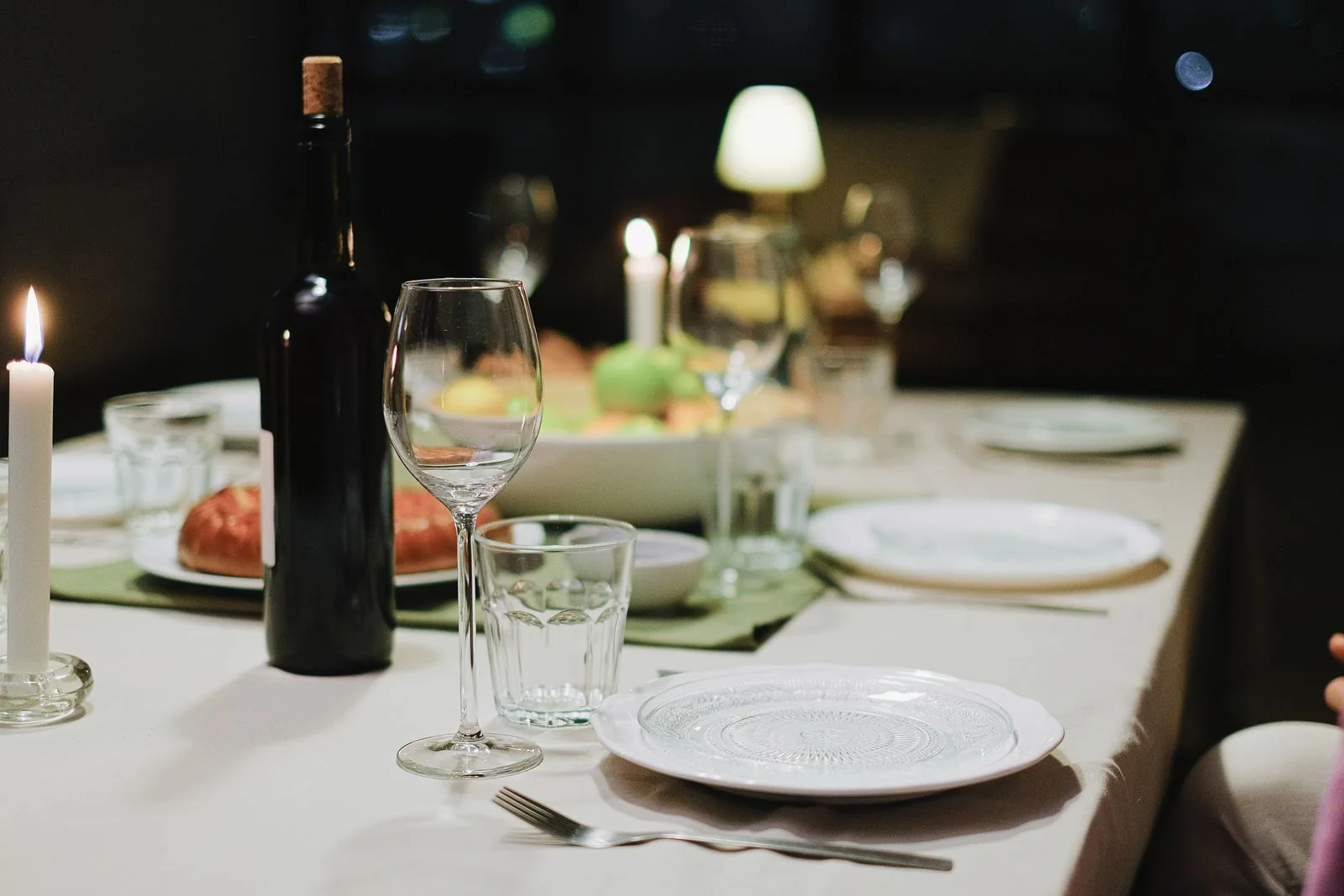
A dinner table can have enough seats and still become crowded when the serving dishes arrive. Place settings occupy the surface neatly, then a bowl needs to pass, a jug has nowhere to return and someone lifts a decorative object to make a temporary gap. Plan the serving order before filling the table. The useful question is which objects need to be present at the same moment, rather than how many attractive pieces can fit while everybody is still standing and nothing has been served.
List objects by when they are needed
Write down the pieces for each stage of the meal: the initial place settings, the dishes used to serve the first part, any shared items that remain and the pieces needed later. Keep the list connected to the actual menu and its serving requirements. You are planning space and sequence, so do not let this arrangement override the appropriate preparation, handling or serving guidance for the food and equipment involved. A tabletop plan is one part of hosting, rather than a substitute for those other decisions.
Mark which items belong at individual places and which need a shared landing area. A person's glass has a different role from a jug that moves around the table. A serving bowl may appear briefly, while a shared plate may need to remain within comfortable reach. This distinction helps you avoid reserving permanent space for something that can be brought in at the appropriate moment, or forgetting a return position for an object that will circulate repeatedly throughout the meal.
Try the real pieces on the empty table
Set out the number of places you actually need, using the plates, cutlery and glasses you intend to use. Include cup handles, serving utensils and other projecting parts in the trial. The circular base of a bowl does not describe the space occupied by its handle or a spoon resting beside it. If the table also serves another purpose, clear that task fully first. Moving work materials to the only convenient serving surface will merely transfer the crowding problem to the next stage.
Add the shared pieces for one stage at a time and sit in the usual chairs. Check whether people can use their places and reach what is intended to be shared without moving several other objects. If a piece is difficult to reach, choose another serving arrangement rather than asking everyone to stretch around a carefully maintained display. Passing a suitable item, serving from another appropriate position or using a different piece you already own may answer the space problem more simply than buying a larger collection of tableware.
Choose what can wait off the table
Identify a suitable nearby surface for items that do not need to remain among the place settings. Give each a clear position, keeping the surface appropriate for the objects and their use. A reserve stack of plates, a later serving piece or an unused decorative item can have a defined place rather than occupying the centre by default. Keep the plan manageable for the person who will serve. A distant surface with a complicated route may create more work than it removes.
For example, imagine a meal with two shared dishes and a jug alongside the place settings. You might decide that one dish is used to serve portions before everyone sits, while the second remains at the table. That leaves a clearer return position for the jug. Another menu may suit a different sequence. The point is to describe the actual order and footprint, so each object has somewhere to go without relying on an empty place that will soon be occupied by a guest.
Assign a return place to each moving object
Put a shared piece in its intended return position during the trial and leave the relevant serving utensil with it. Check that both remain manageable after someone has used them. If you cannot identify a clear return space, reconsider whether the item needs to circulate or remain on the table. A bowl passed around with nowhere obvious to land will eventually borrow somebody's place setting, which makes the arrangement harder for the next person to understand.
Explain the plan briefly to anyone helping. Use ordinary descriptions such as this bowl returns beside the jug, or these plates stay on the side surface until the next stage. A helper should not need to reconstruct the arrangement from memory after watching you move things once. If two items look similar but serve different roles, keep them clearly separated in the preparation. The simplest useful plan is the one another person can follow without interrupting the meal to ask where every piece belongs.
Leave the centre flexible
Add decoration only after the serving trial. A small arrangement that can be moved easily may suit the space better than several objects that each claim a permanent position. Check sightlines and normal conversation from the chairs, and see whether a decorative piece occupies the only useful landing area. You can choose a patterned cloth, familiar tableware or another functional element as the visual interest. A welcoming table does not require a separate decorative object in every gap.
Finish by planning the first clearing step. Decide which pieces leave together and where they go, so the next stage does not begin with an improvised pile. After the meal, note the one change that would have helped most: a jug needed a clearer return point, or a later plate stack belonged elsewhere. That observation makes the next dinner easier without turning the table into a rigid diagram. A good serving order supports conversation and ordinary use, leaving enough flexibility for the people around it to enjoy the meal.
Related reading
A Small Dinner Party That Starts With What You Own, A Weeknight Table You Can Set in Ten Minutes.
Editorial & photography notes
Practical editorial guidance for ordinary situations. This article does not claim product testing or report current offers. Follow the relevant maker’s instructions for the items you use.
Illustrative stock photograph by Anna Shvets: photo source. This scene does not identify our author or establish a product test.