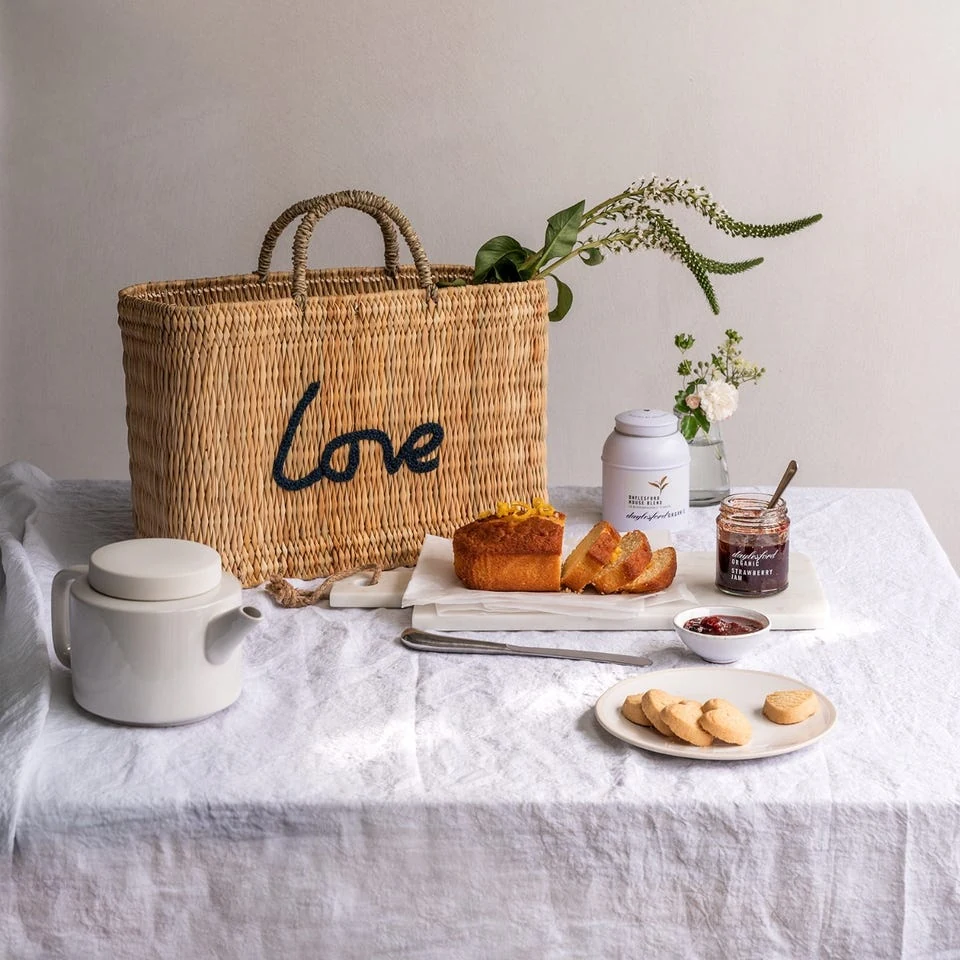
A relaxed coffee visit can become surprisingly fussy when the offer of a drink opens several rounds of questions. One person has started making coffee while another is still deciding, the cups are difficult to distinguish and a second drink order arrives just as the first is being served. A clearer opening question can simplify the whole sequence. Offer the drinks you can comfortably provide, let each person choose without explanation, and keep the practical details connected to that choice until the drink reaches its intended place.
Decide what you can actually offer
Before the visit, check the drinks and equipment you already have available and are comfortable using. A small clear offer is easier to manage than a long imagined menu that requires several unfamiliar methods at once. You might be ready to offer coffee, tea and water, or a different modest set that suits your home. Do not assume that the phrase come for coffee means everyone will want the same drink. The invitation can describe a kind of visit without making a beverage choice for every guest.
Keep the offer honest and easy to understand. If you can make one straightforward kind of coffee, there is no need to present it as a café menu or apologise for not having several specialised options. The point of the visit is the time together. A person should be able to choose another available drink without needing to justify the preference. You can make that easy by naming the alternatives plainly rather than treating them as exceptions that only appear after someone declines the first offer.
Ask one clear opening question
Use a question that contains the real choices, such as would you prefer coffee, tea or water. Follow up only with the detail needed to prepare the selected drink in the way you can appropriately provide. Keep that follow-up separate from unrelated questions about cups, seating and snacks if combining them would make the answer difficult to remember. The aim is not to rehearse a rigid hosting script. It is to avoid a vague offer that leaves both the guest and the person preparing the drink uncertain about what has actually been requested.
For a small group, collect the initial choices before beginning every separate preparation task. You might discover that two people want the same drink while another prefers something different. That gives you a clear view of the work and the cups needed. If the choices exceed what you can comfortably manage at the same time, explain the practical sequence simply. A clear modest plan is preferable to pretending that every option can appear simultaneously and then becoming distracted by a promise that was unnecessary.
Keep the choice attached to the person
Choose a simple way to remember which drink belongs to whom. With a small group, familiar names and clearly different cups may be enough. If you need a short temporary note for your own use, keep it limited to the preparation details and remove it when its purpose is finished. Do not rely on a subtle difference between two almost-identical drinks once they are standing beside each other. The useful distinction is the one you can recognise reliably while also managing the ordinary conversation and movement of the visit.
If someone helps with serving, pass on the information needed for that stage. A cup's colour or position may identify it to you but mean nothing to the helper unless you explain the connection. A brief clear handover is more useful than expecting another person to reconstruct the order from where the cups happen to stand. If there is uncertainty about a drink, clarify it rather than treating the absence of a visible difference as evidence that the cups are interchangeable.
Give cups and shared pieces enough room
Set out the actual cups and any accompanying pieces you intend to use on a suitable clear surface. Include handles, saucers and the items that will move between people. A compact group can look tidy while leaving no useful place to set something down during preparation or serving. Use the equipment appropriately and choose a manageable arrangement for the actual drinks. This article concerns the organisation of the visit, rather than a brewing method or a claim about the performance of particular coffee equipment.
Check the destination as well as the preparation area. A cup needs a suitable place where the guest is sitting, and a shared item needs an understandable return position. If a small table is already full of decorative objects, move what is unnecessary before the drinks arrive. You do not need to buy a coordinated serving set to make that space clear. Familiar cups, a suitable surface and a manageable number of shared pieces can support the visit more effectively than a complicated display with nowhere left to put anything.
Make another round a fresh choice
When offering more, ask rather than assuming that the first choice should be repeated automatically. A person may want another drink, something different or nothing further. Keep the response straightforward and avoid allowing an empty cup to become an unspoken instruction. If the visit is moving toward its end, you can make the offer in a way that leaves room for that reality. Hospitality does not require continually restarting the preparation sequence whenever the conversation pauses.
Afterward, note only the practical change that would make another visit easier: a clearer choice question, more obvious cup identification or an uncluttered landing place. There is little value in turning a friendly conversation into a detailed service review. The useful routine stays small. Offer what you can comfortably provide, keep each choice identifiable and prepare the space for ordinary use. Those simple decisions let the drinks become part of the visit rather than the task that repeatedly interrupts it.
Related reading
A Coffee Corner for a Small Kitchen, A Guest-Ready Home Without a Guest Room.
Editorial & photography notes
Practical editorial guidance for ordinary situations. This article does not claim product testing or report current offers. Follow the relevant maker’s instructions for the items you use.
Illustrative stock photograph by Andrew Neel: photo source. This scene does not identify our author or establish a product test.