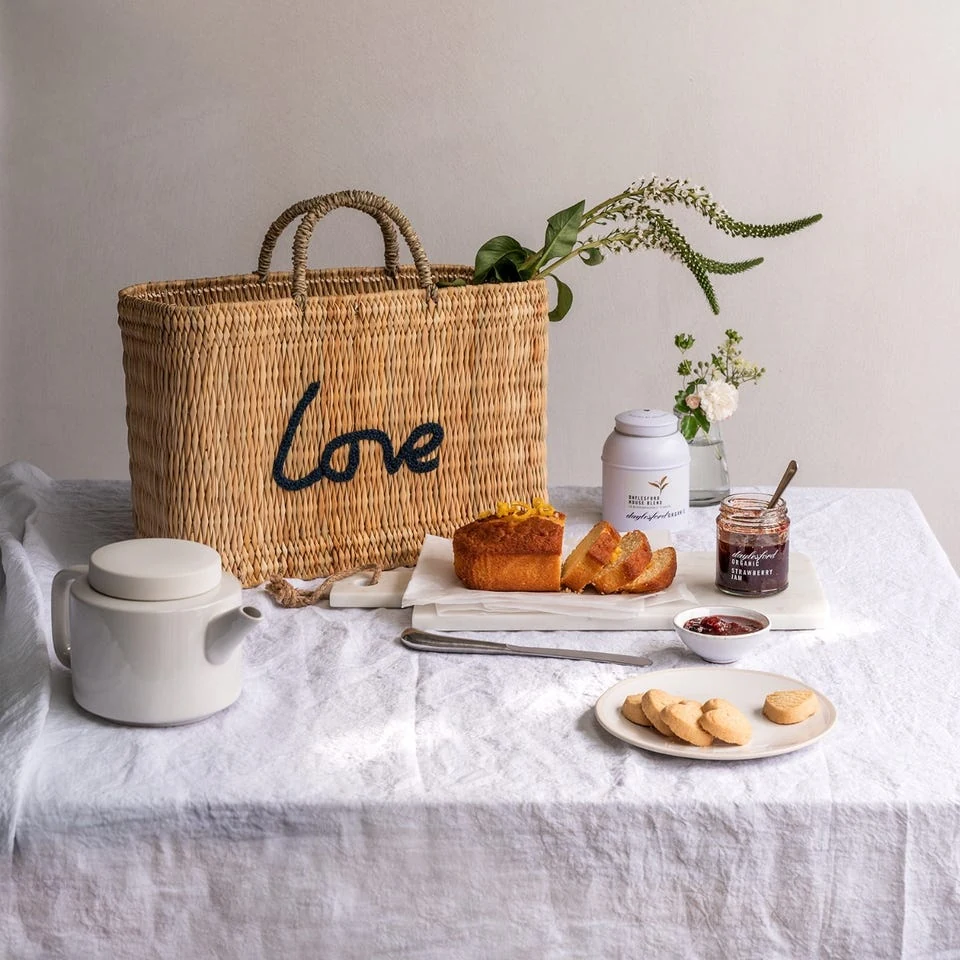
A small breakfast setting can look generous with very few objects when their shapes fit the space. The problem is rarely a shortage of decorative pieces. It is often a cup handle meeting a plate, a shared dish with nowhere to return, or a place setting arranged so closely that it cannot be used comfortably. Begin with the meal and the surface you actually have, then test the ordinary plates, glasses and cups together before adding anything whose only job is to make the table look finished.
Establish the usable surface
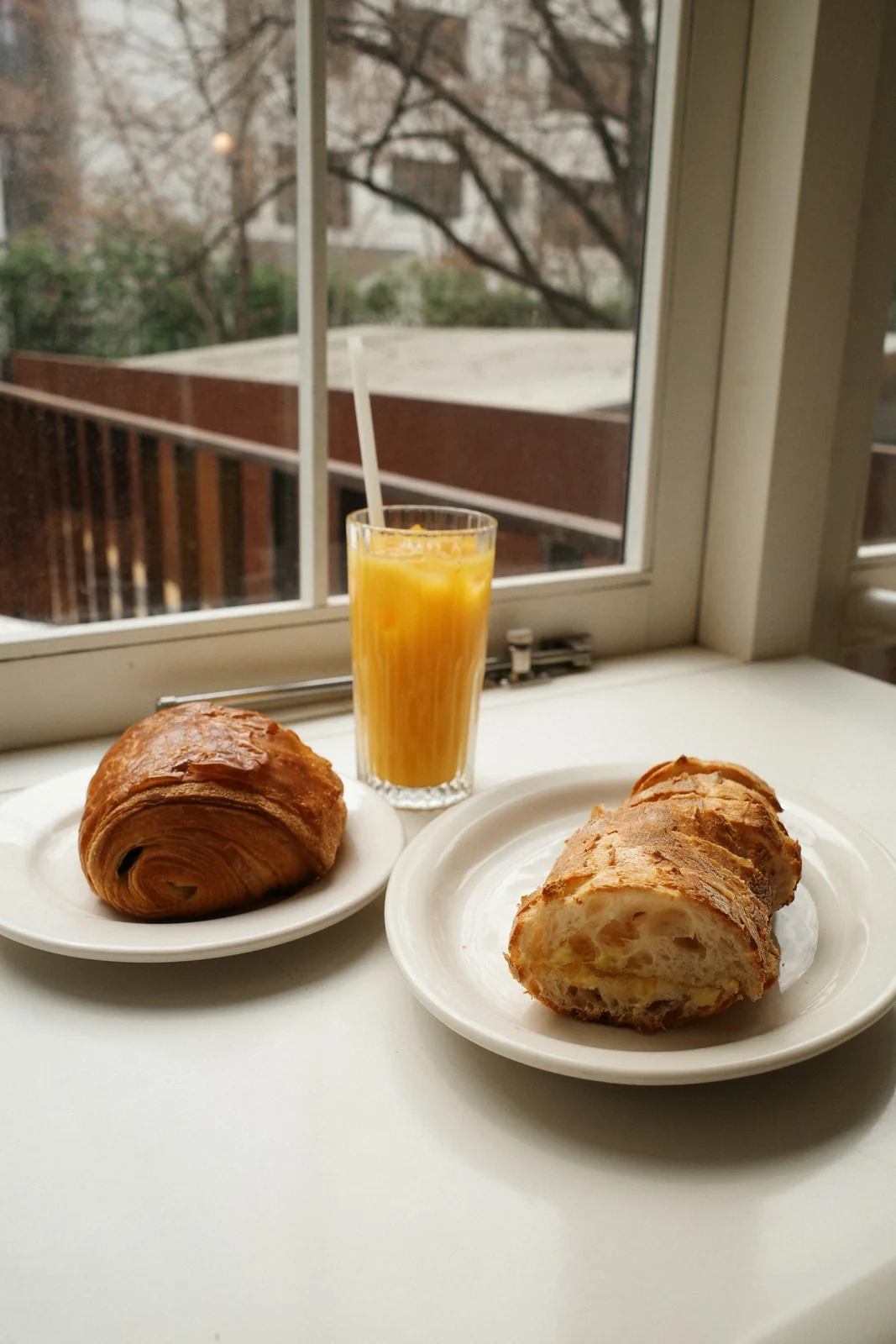
Choose the table or other suitable eating surface and clear it of unrelated items. Notice the area available to each person once the chairs are in their normal positions. A small round table gives a different working shape from a narrow rectangular one, and a surface used for another task may need a clear boundary for the meal. An appealing photograph of breakfast on a windowsill can inspire a simple arrangement without proving that your own windowsill is a suitable dining place.
Set out the pieces needed for the actual meal. A plate and cup may be enough for one breakfast, while another needs a bowl and spoon as well. Keep the arrangement connected to those requirements rather than laying out every matching item in a set. If you expect both a hot drink and another drink, include both vessels in the first trial. Their real footprints matter more than a generous-looking empty area that disappears as soon as breakfast is served.
Test plates and cups as a pair
Place the main plate where it can be used comfortably from the seat. Add the cup or mug and turn its handle into the position the person is likely to use. A handle can occupy space that was invisible when you considered only the circular base. If you use a saucer, include it now rather than assuming it will fit later. Compare the actual pieces together, because two items that seem compact separately can create an awkward overlap on a small surface.
Try an alternative you already own if the first combination feels crowded. A smaller suitable plate may free more space, or a differently shaped cup may work better beside the bowl. Do not choose a piece so small that it becomes inconvenient for the meal just to gain a neater outline. The aim is enough room for the breakfast and the ordinary movements around it. A place setting should still work after a person moves a cup slightly, rather than depend on every item remaining in its display position.
Give shared items a return place
Identify which pieces will pass between people and which can be served before everyone sits down. A shared plate, small jug or serving dish needs a place to return after use. Put the actual object in the trial arrangement and check that it does not rely on an empty place setting for space. If the table cannot accommodate everything comfortably, keep suitable reserve items on another appropriate surface and bring them to the table when needed, rather than building an unstable stack of competing pieces.
Consider the serving sequence as well as the final display. You may pour drinks before placing the shared plate, or serve a portion before sitting down. Choose the order that makes the real meal manageable without repeatedly lifting one object to reach another. The same small table can feel quite different when a bulky serving item appears briefly instead of remaining in the centre throughout breakfast. Use that timing deliberately rather than treating every item as a permanent part of the setting.
Leave an ordinary movement margin
Sit in the chair and check the arrangement from that position. Can you use the plate, lift the cup and reach the shared item without moving several other pieces first? Notice where elbows and hands naturally go, and keep the outer edge of the surface clear enough for comfortable use. If two people share the table, have both places occupied during the trial. A pleasing arrangement viewed from above may feel crowded once the people who will use it are actually seated.
Keep any decorative addition small and easy to move. A single familiar piece can add interest, but it should not take the only practical landing area for a serving dish. Try the setting without it before deciding whether it adds enough to stay. You can also choose an attractive everyday plate or patterned cloth as the visual interest, allowing a useful object to do that job. Decoration does not need a separate collection of items on a surface that is already working hard.
Plan the clearing route
Decide where the first items will go when breakfast ends. A nearby counter may need to be cleared before the meal, or a shared surface may have another job afterward. Avoid arranging a beautiful table by moving all the unrelated clutter to the only place available for clearing it. Identify a sensible destination for each group: used eating pieces, any suitable remaining serving items and textiles awaiting their next appropriate stage. Follow the relevant care and handling requirements for the things involved.
After using the setting, keep the parts that made the meal easy. You might prefer two particular plates because they fit beside your usual cups, or decide that a jug belongs off the table until needed. Those small observations are more useful than a rule that every breakfast needs a tray, flowers or a coordinated service. A good small setting comes from understood shapes, clear return places and enough room for people to use the objects, while the familiar pieces you already own provide most of its character.
Related reading
A Weeknight Table You Can Set in Ten Minutes, A Coffee Corner for a Small Kitchen.
Editorial & photography notes
Practical editorial guidance for ordinary situations. This article does not claim product testing or report current offers. Follow the relevant maker’s instructions for the items you use.
Illustrative stock photograph by Chee Kee: photo source. This scene does not identify our author or establish a product test.